
Fat Tire Bike Pro and Con: A Comprehensive Analysis
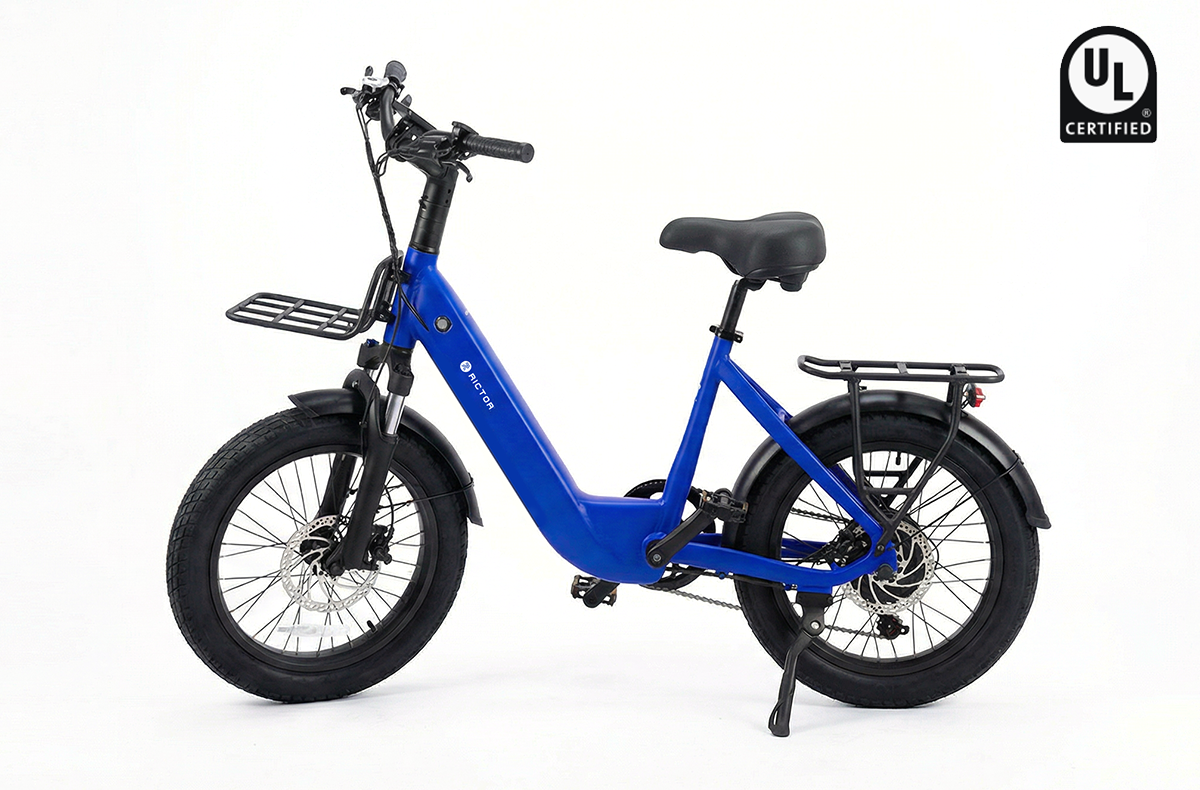
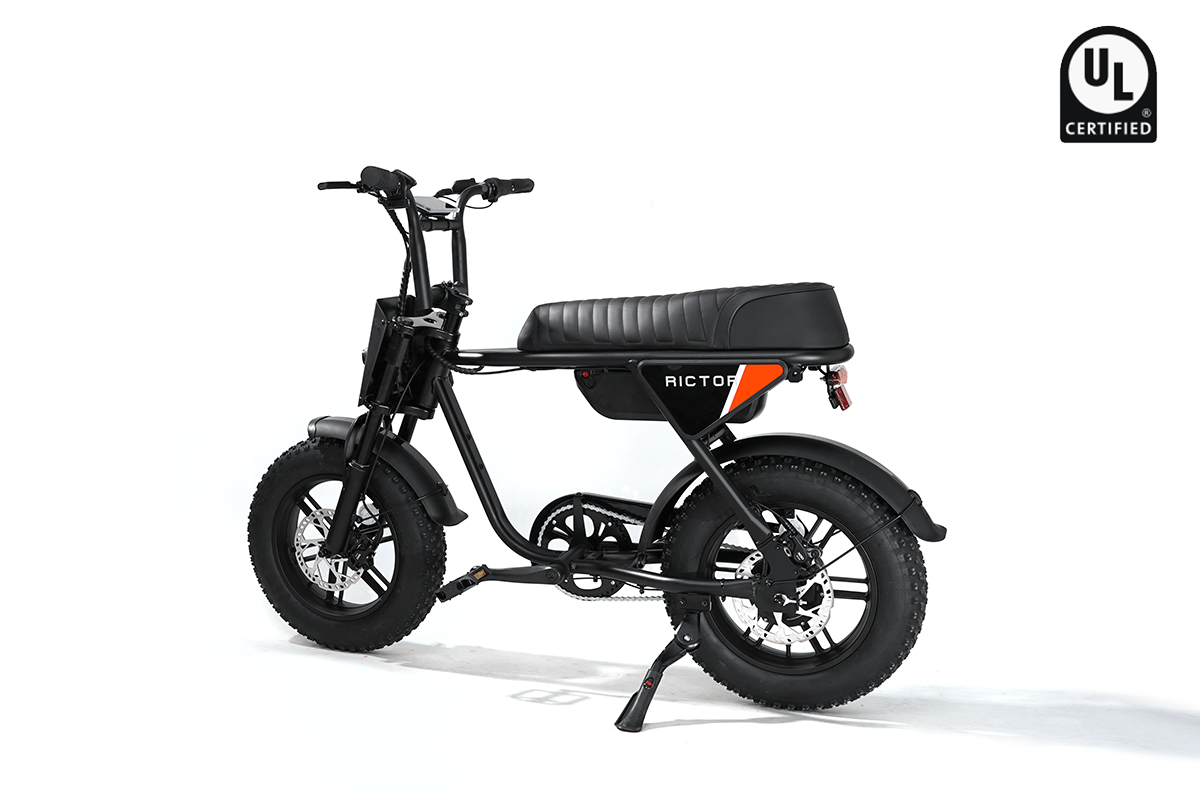
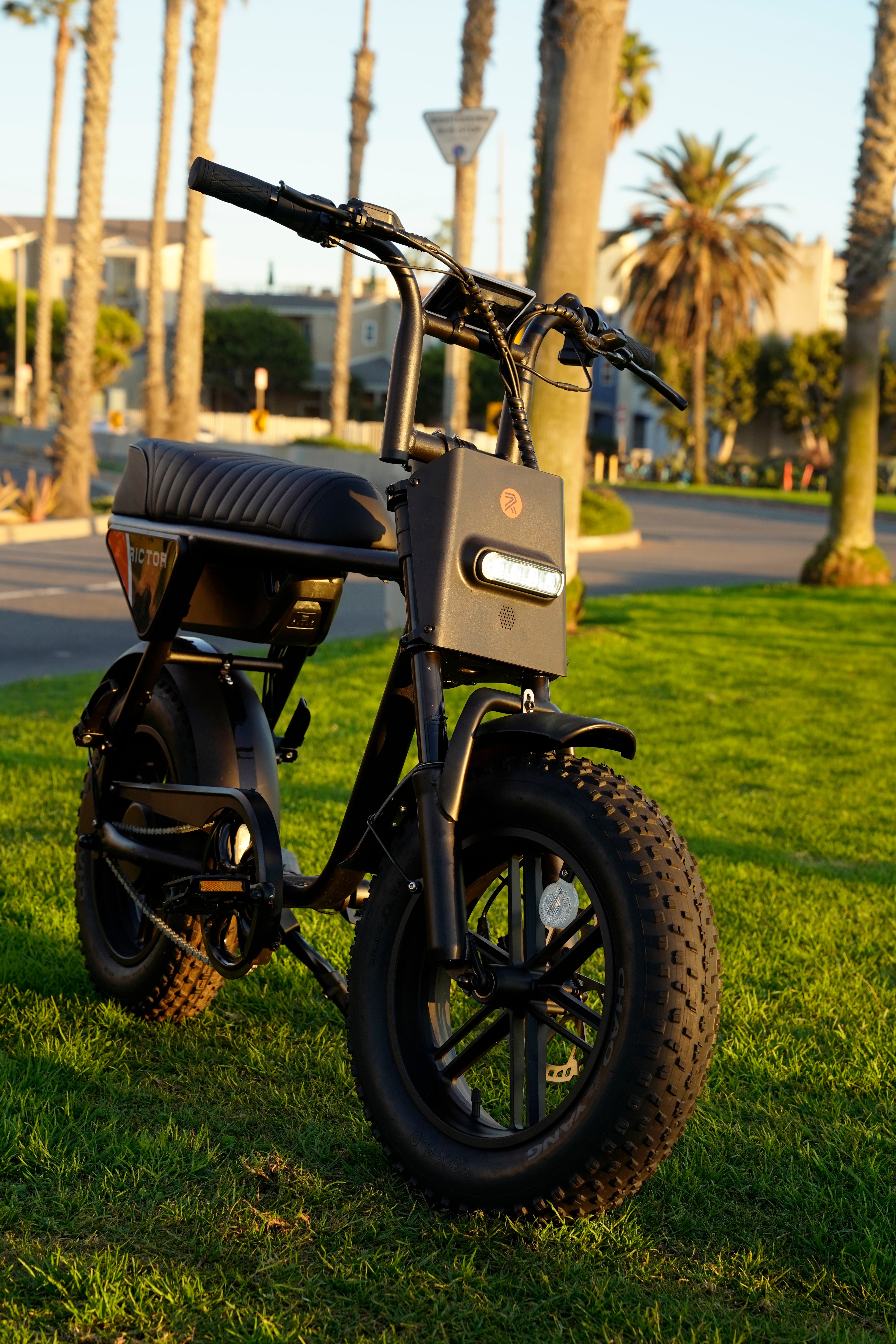
Fat tire bikes excel on rugged terrains, offering better traction and a smoother ride over loose surfaces. While they can be cumbersome on paved roads, they’re perfect for adventurous riders looking to tackle sand, snow, and mud with ease.
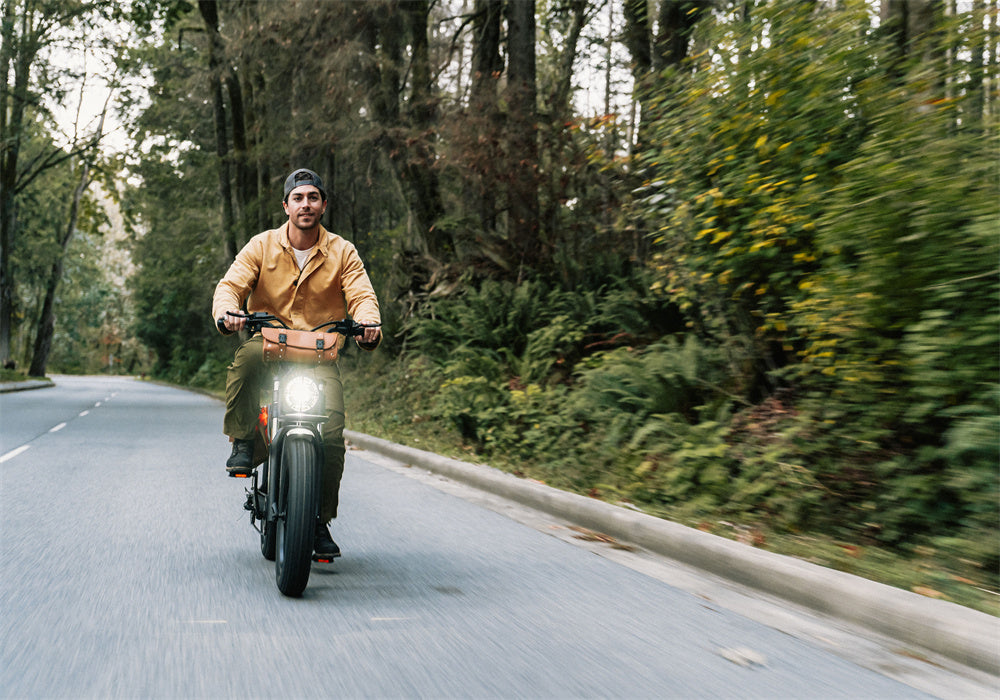
How Fast Do Electric Bikes Go Without Pedaling?
Electric bikes can reach speeds of 15 mph to 28 mph without pedaling, depending on motor power, battery capacity, bike weight, and local regulations. Higher powered motors, such as 750 watt motors, allow for faster speeds and longer range.
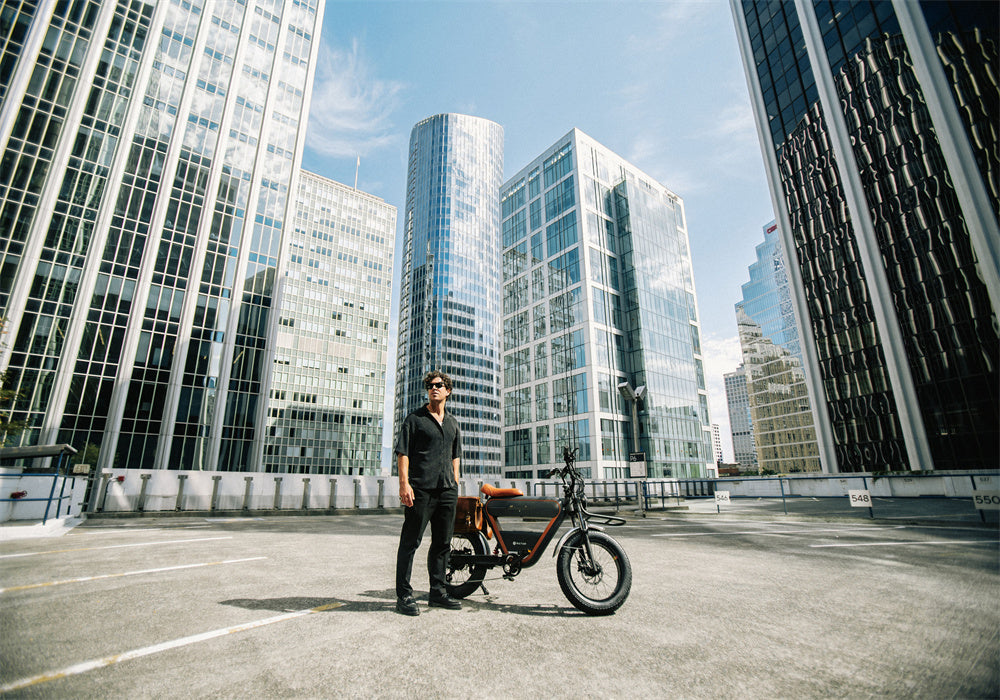
Pedal Assist vs. Throttle E-Bikes: How Do They Differ?
Pedal assist ebikes activate the motor when you pedal, providing a natural ride with efficient battery use. Throttle ebikes let you control the motor directly, offering instant power without pedaling, perfect for those who want a stress free ride.
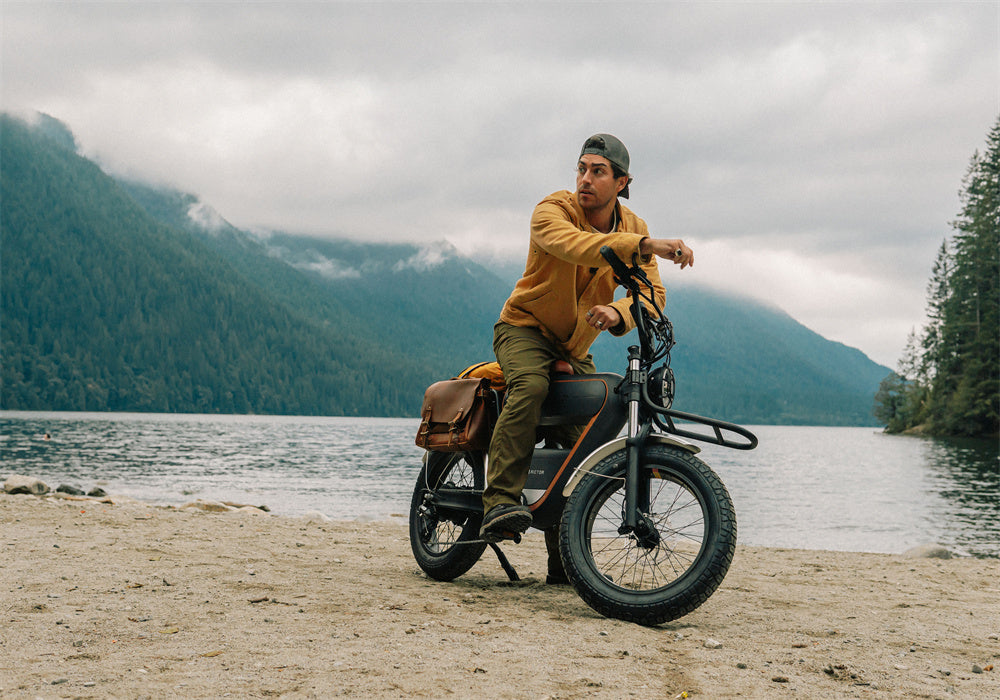
How Tire Type Affects E-Bike Range And Performance
Tire type significantly affects your e-bike's performance and range. Narrow tires with low rolling resistance improve efficiency for road rides, while wider, treaded tires offer better traction for off-road use. Choose the right tire for your riding style to optimize both comfort and distance.

Replacing an Electric Bike Battery Lock in 5 Easy Steps
Replacing an eBike battery lock involves removing the old lock, installing the new one, and securing it with screws. Apply lubricant for smooth operation, then test the lock by inserting the key and ensuring the battery is securely attached and properly functioning.
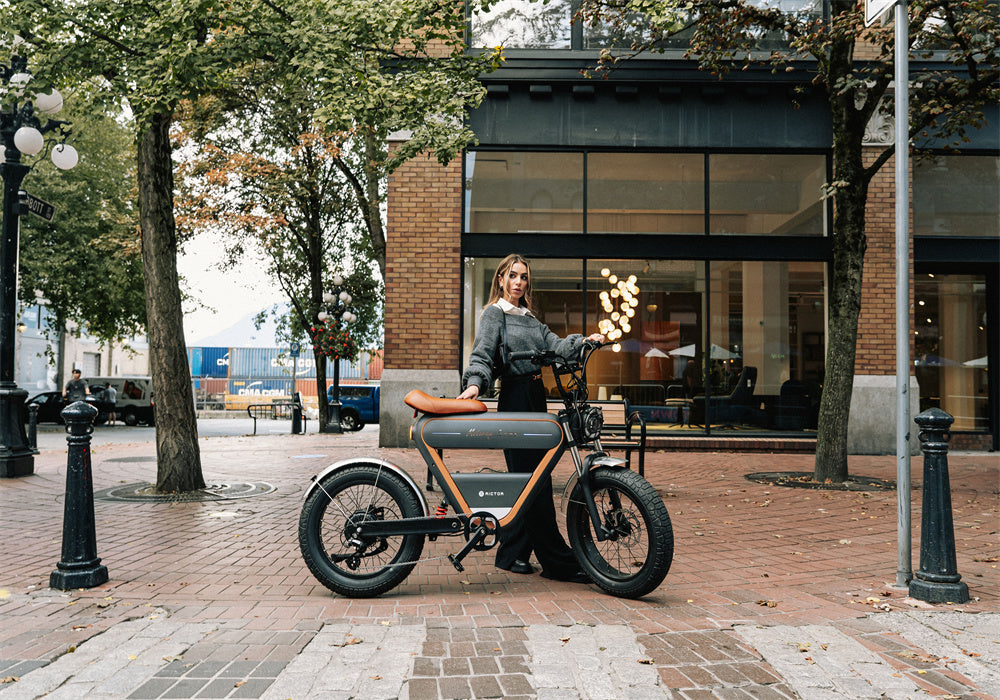
How Much is Electric Bike Battery Range Affected by Rider Weight
Heavier riders use more battery power on e-bikes due to increased weight, leading to a reduced range. A 50 pound weight difference can reduce the range by up to 30%. Using lower assist levels, maintaining tire pressure, and opting for larger batteries can help improve efficiency.
How Much Tire Pressure Your E-Bike Needs
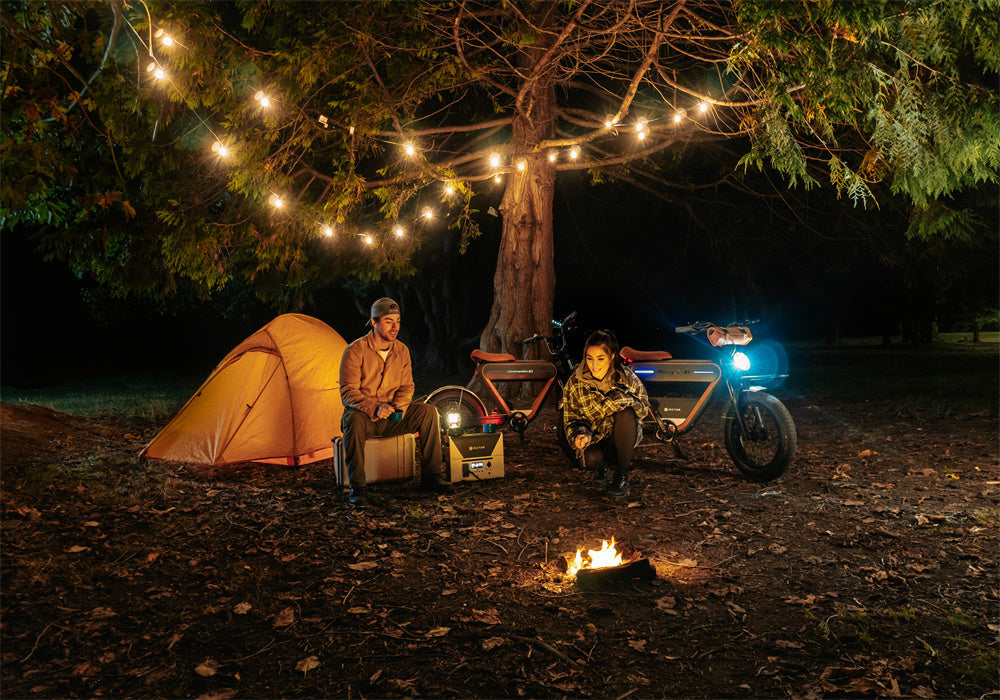
How much tire pressure your electric bike needs depends on factors like terrain, rider weight, and tire size. Most electric bikes require 40-70 psi, but adjust based on your riding style. Proper tire pressure ensures better performance, comfort, and tire longevity.
Hardtail vs. Full Suspension: Which Bike is Better for Beginners?
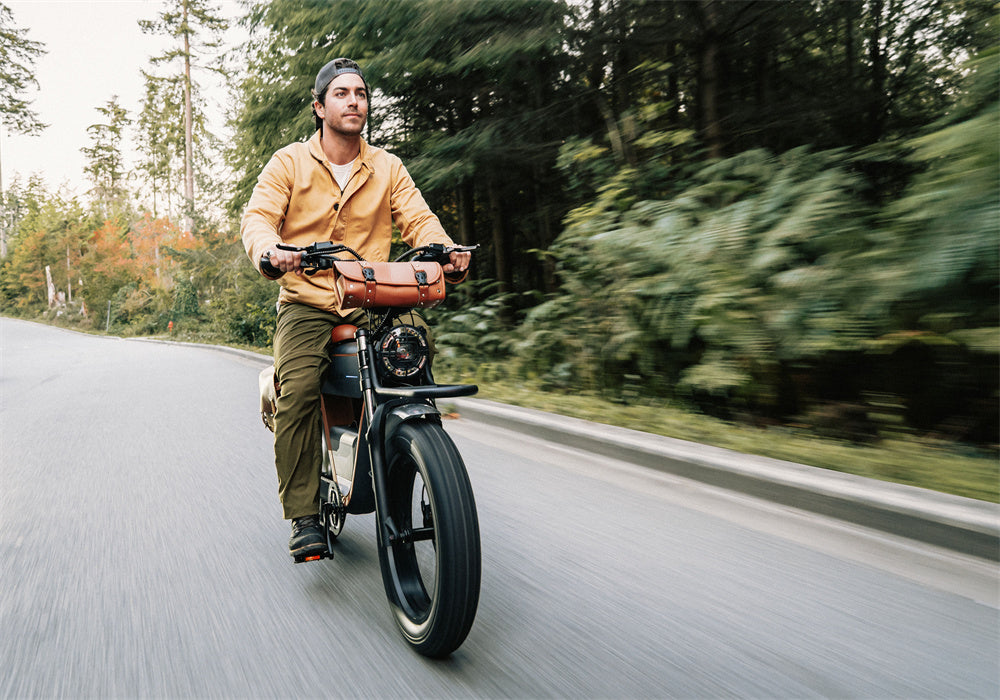
Choosing between a hardtail and a full suspension mountain bike depends on your riding style. Hardtails are lightweight and ideal for cross-country and smooth trails, while full-suspension bikes offer better comfort and control on rough, technical terrains.
Can You Replace Your E-bike’s LCD Display with Another Type?
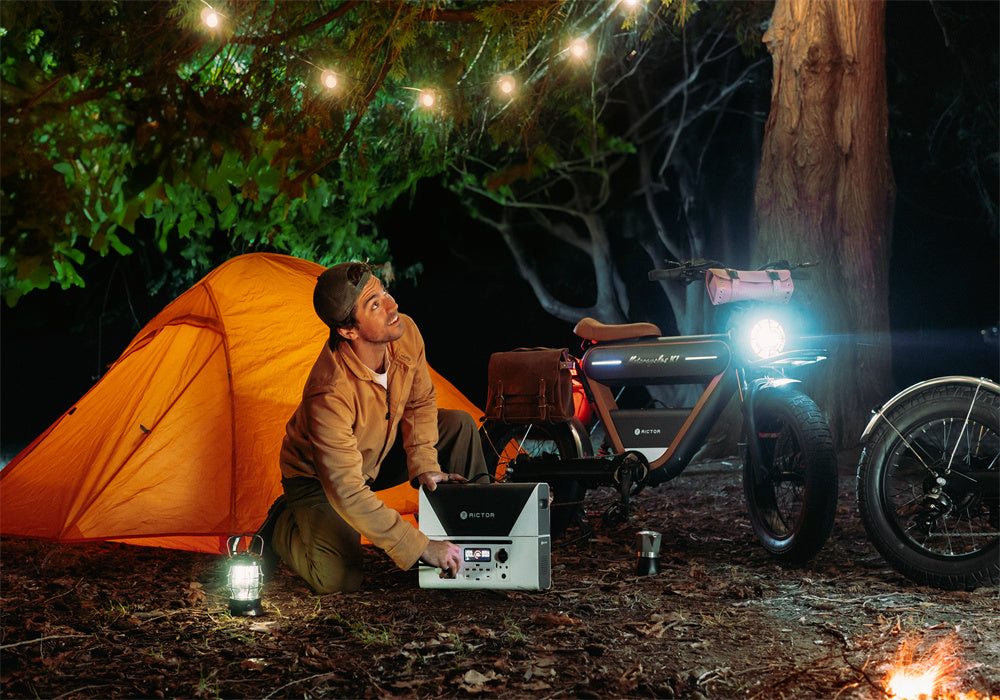
Wondering if you can replace your e-bike's LCD display? It depends on the communication protocol (UART or CANBUS) and firmware compatibility. Be sure to check your bike’s system and connector types before switching displays to avoid losing features or causing damage.

How to Slow Down Your Ebike When PAS Always Goes Full Speed
If your Ebike’s PAS is going too fast, lower the PAS level to reduce motor assistance. Adjust the throttle carefully, and use your brakes smoothly to slow down. Ensure the PAS sensor is functioning correctly to prevent unexpected acceleration.
New E-Bike Laws 2025 for California: What Has Changed?
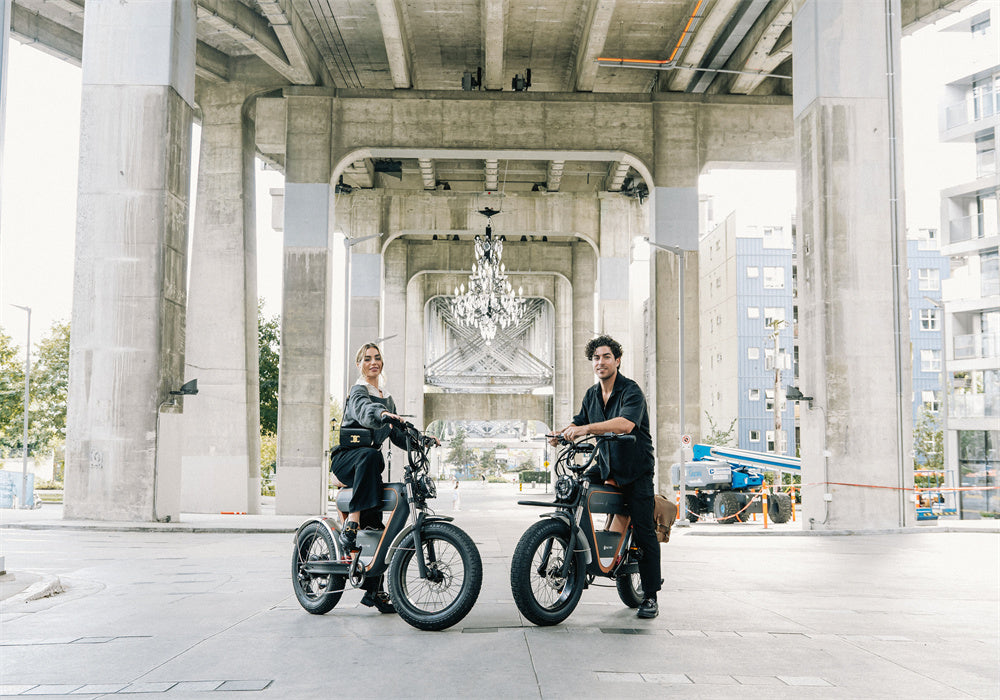
California’s 2025 e-bike laws include new classifications, helmet mandates for Class 3 bikes, and specific access rules for electric bicycles. Riders will also face registration requirements for higher powered models, with some regions requiring insurance for electric bikes.
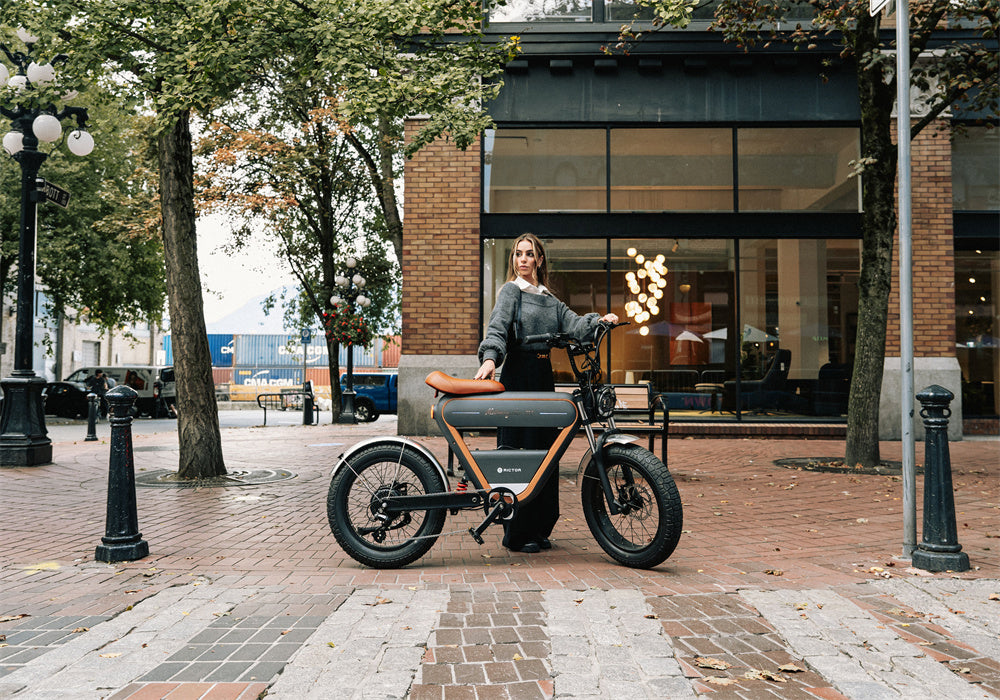
DIY Electric Bike Conversion: Transform Your Ride in 6 Steps (Costs + Tips)
Transform your bike into an electric powerhouse with a DIY e-bike conversion. Explore hub or mid-drive motor kits, lithium-ion batteries, and step-by-step installation tips. Save 30–60% vs. pre-built models while customizing speed, range, and terrain performance. Ideal for commuters and adventurers!