
Little Known Fun Facts About Bikes ( and Electric Bike!)
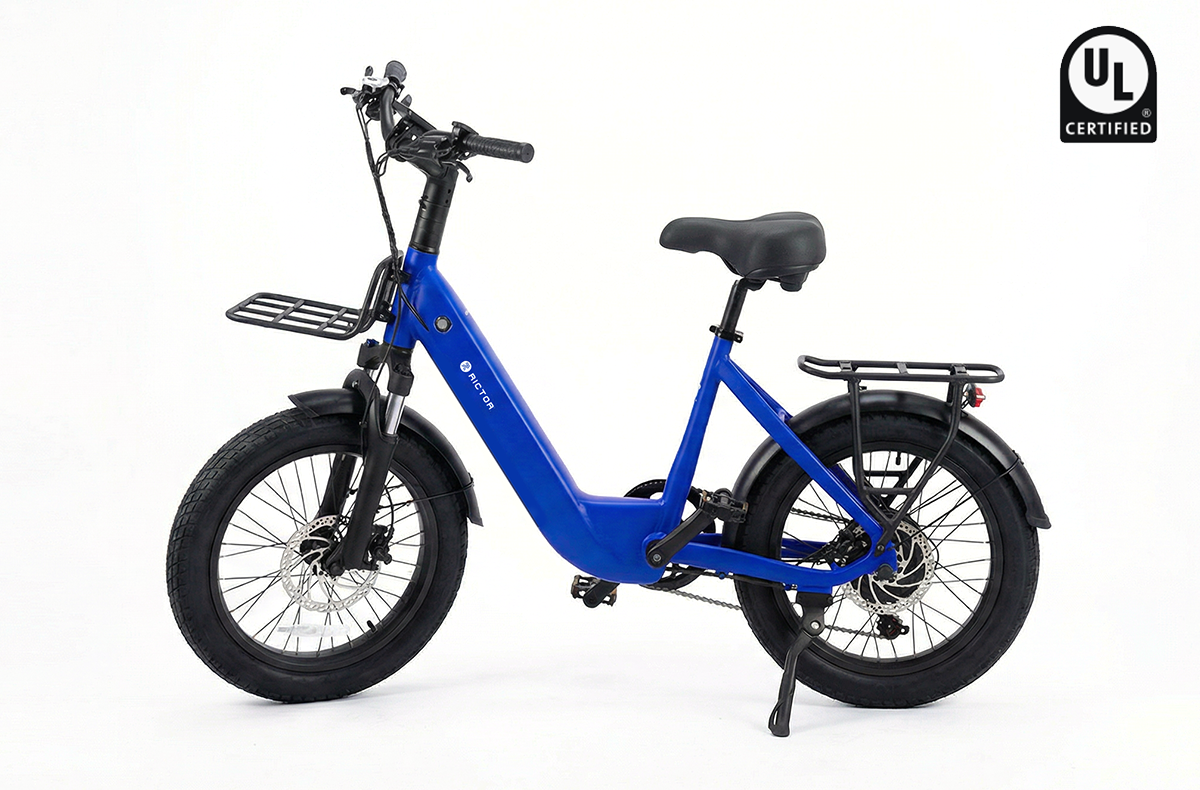
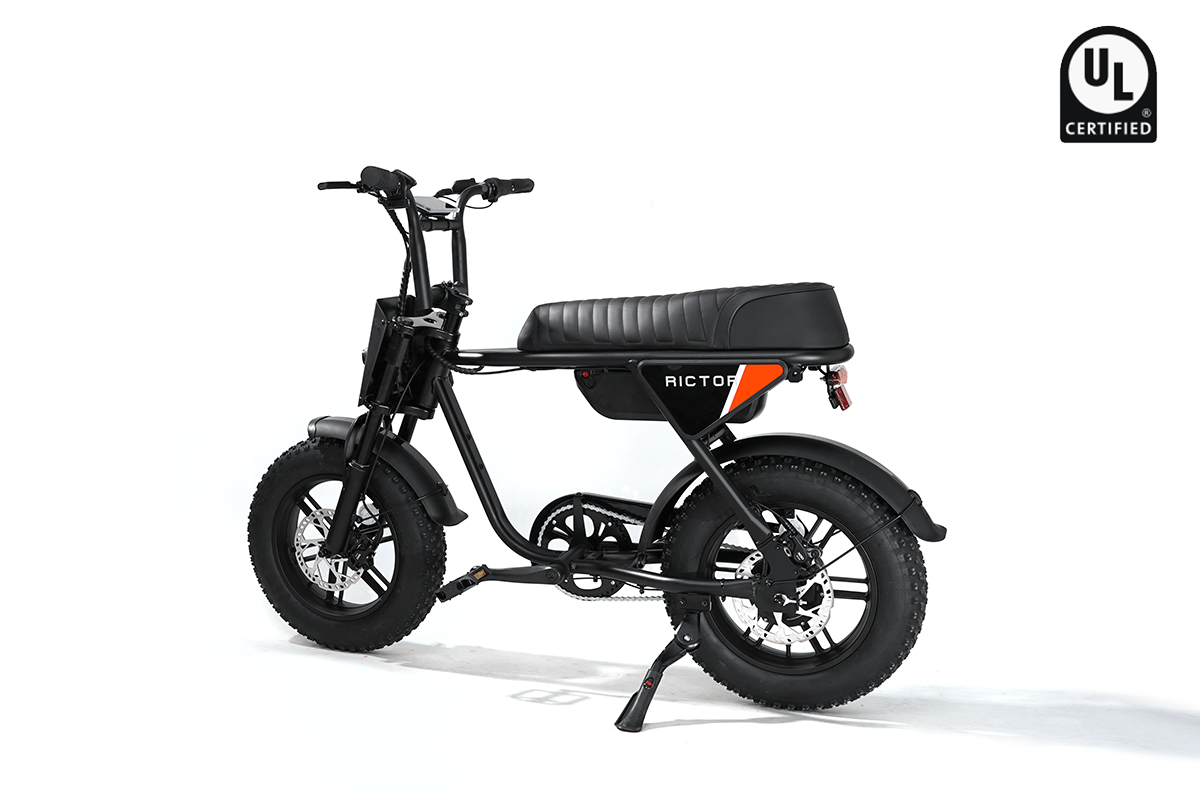
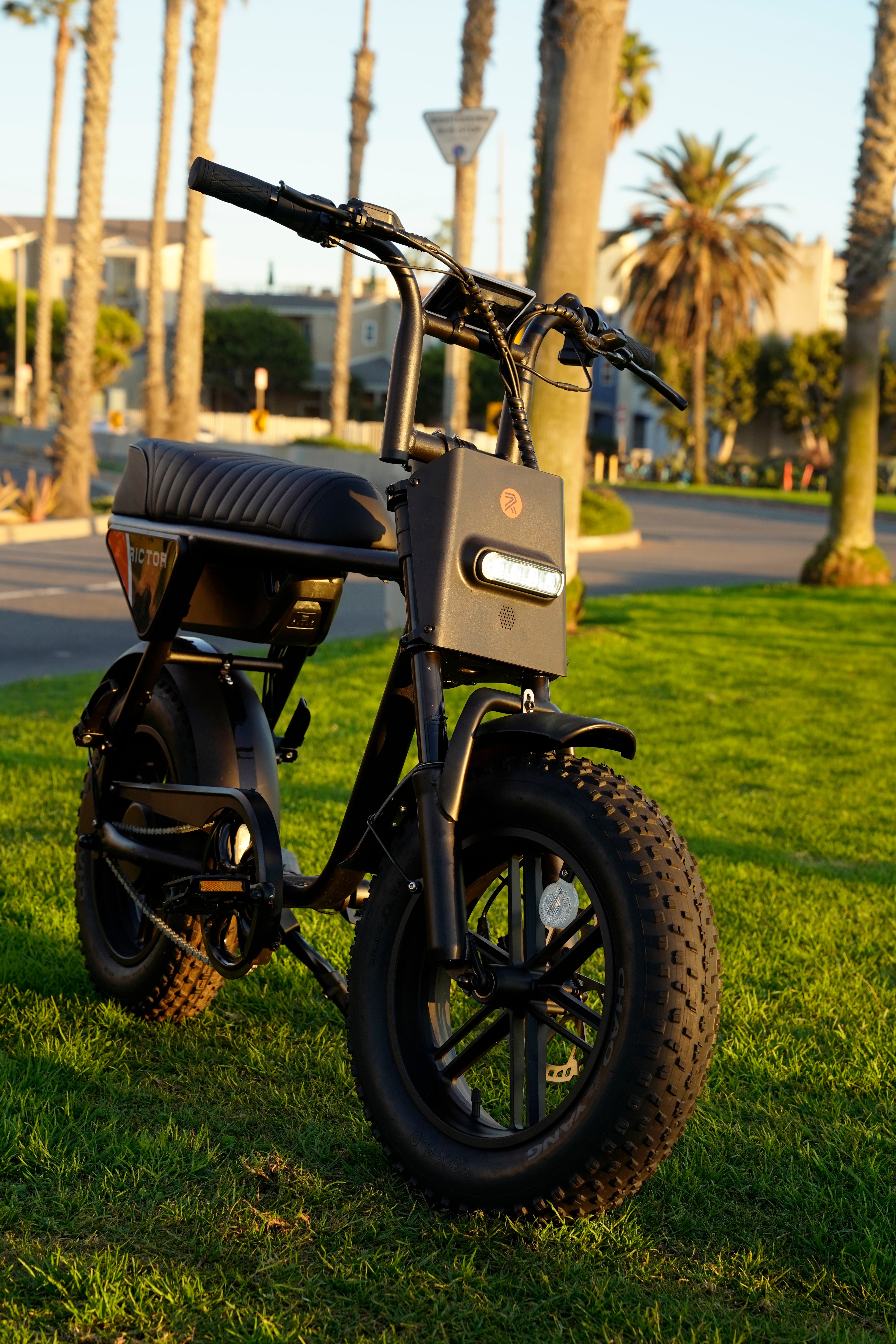
Discover fun facts about bikes and electric bikes! Did you know early bikes were called “Boneshakers” due to their rough design? Today’s e-bikes, like RICTOR, combine vintage motorcycle vibes with advanced tech, including dual batteries for extended rides.
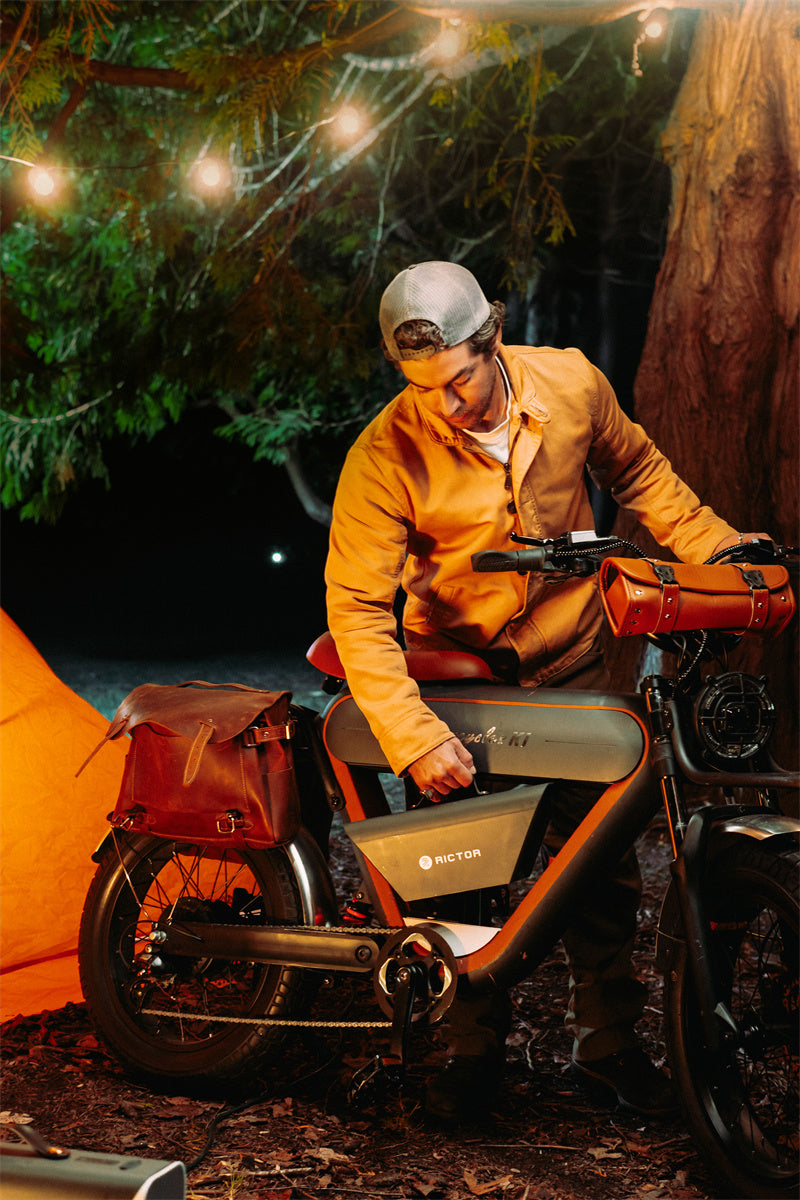
Electric Bike Price | How Much Should You Really Spend on an Ebike?
Electric bikes in the USA range from $500 for entry-level models to $5,000+ for high-end options. Under $1,000 works for light use, $1,000-$1,500 for daily commutes, $1,500-$2,500 adds range and power, and $2,500+ provides premium performance for long-distance rides.
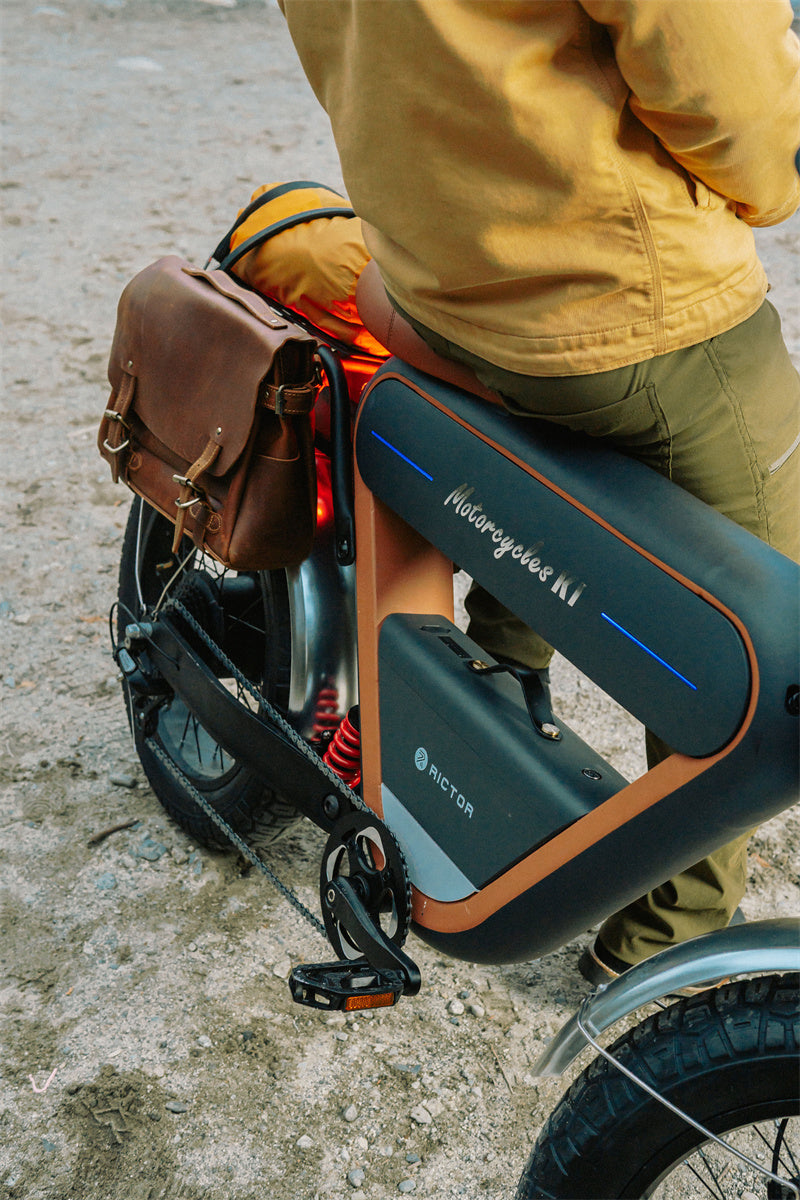
This Is The Best Electric Bike For Beginner!
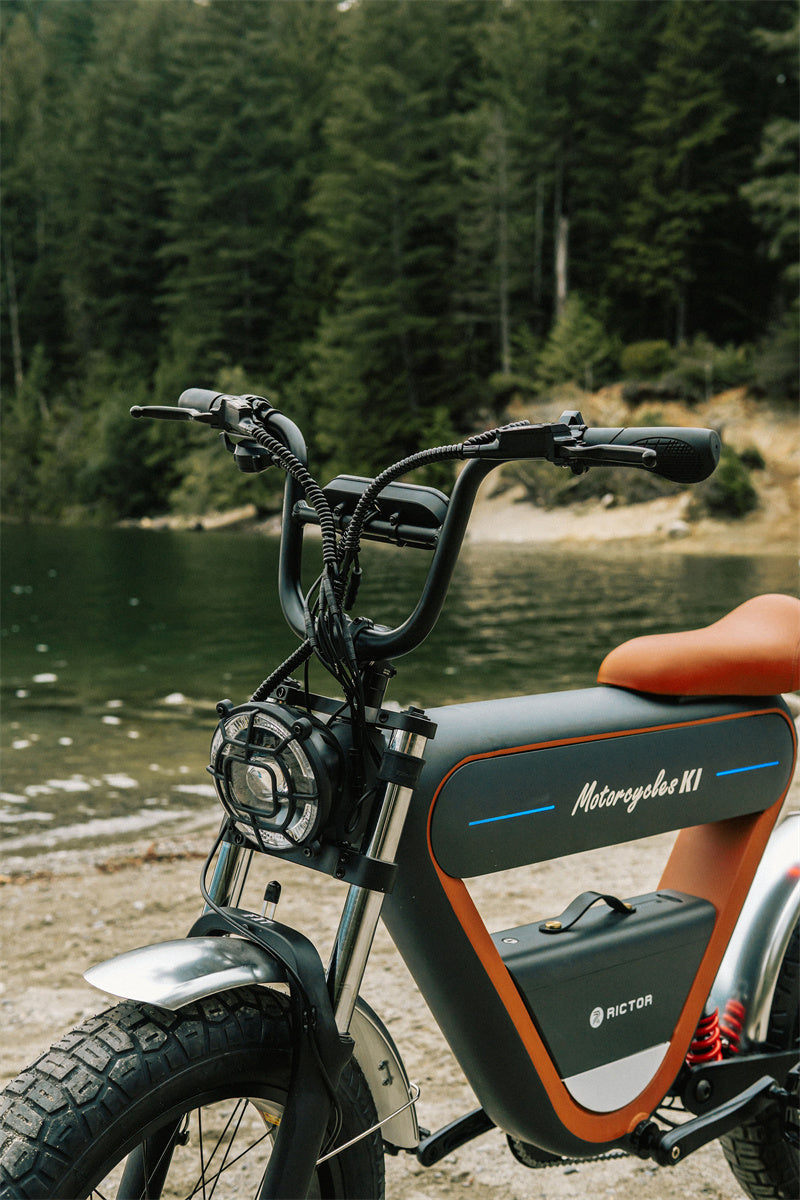
The Rictor K1 electric bike is a beginner-friendly choice with features like a 750W motor, high-precision torque sensor, and a dual battery option for longer rides. Designed with a strong, compact frame and smart controls, it offers smooth handling, comfortable cruising, and customizable lighting.
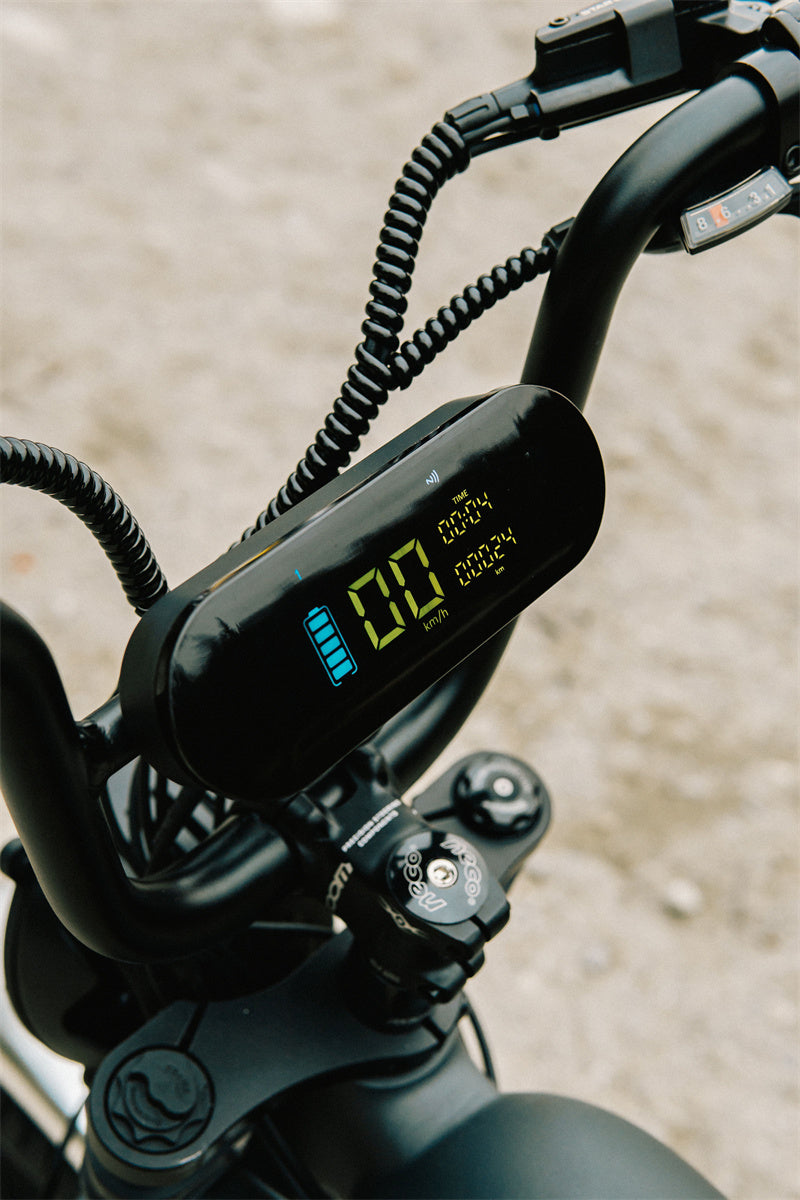
Are Electric Bikes Considered Motor Vehicles?
Electric bikes, unlike motor vehicles, are defined as bicycles with motors that assist pedaling, often capped at 20 mph. They don’t need registration, insurance, or a license in most states. Electric bikes also access bike paths, whereas motor vehicles are restricted to roads and require full registration.
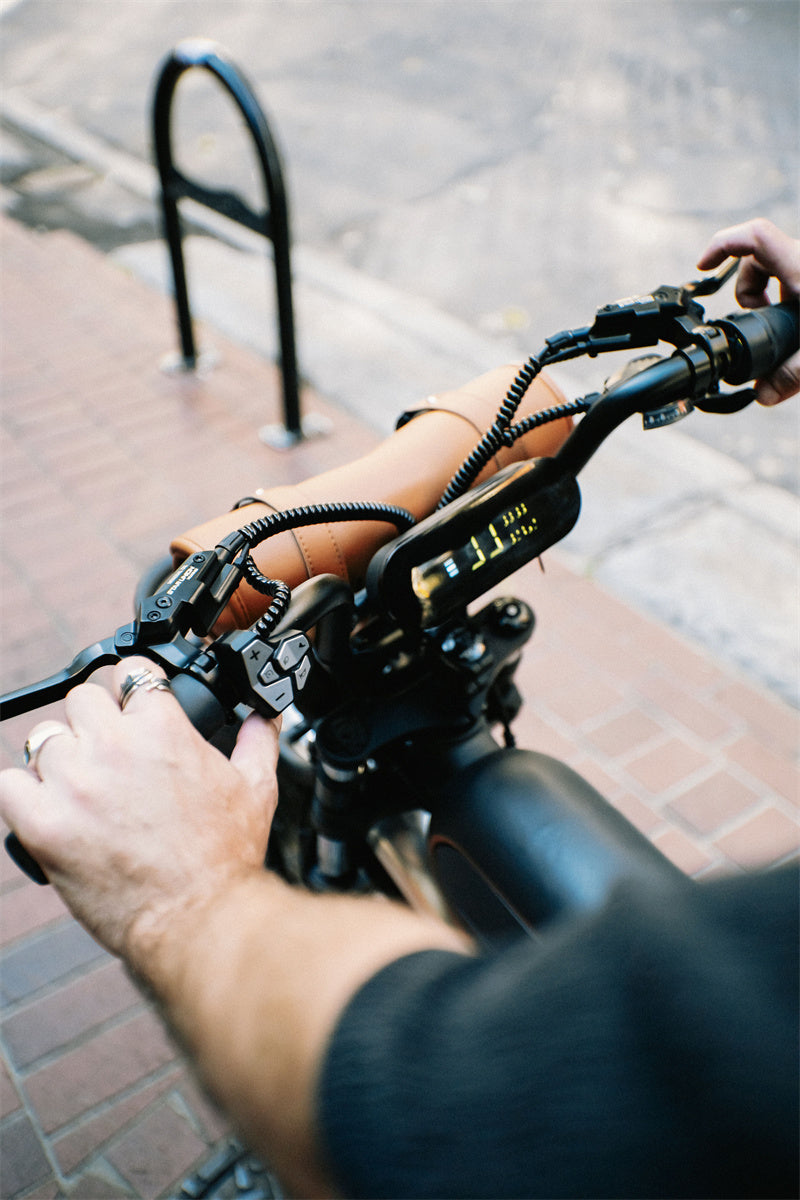
Electric Bike Rebate Colorado: What You Should Know
Colorado offers statewide and local e-bike rebate programs, providing up to $1,200 in savings for income-qualified residents. Denver, Boulder, and Fort Collins also have city-specific incentives. Apply through the Colorado Energy Office or local portals to get your rebate and start saving on your e-bike purchase.
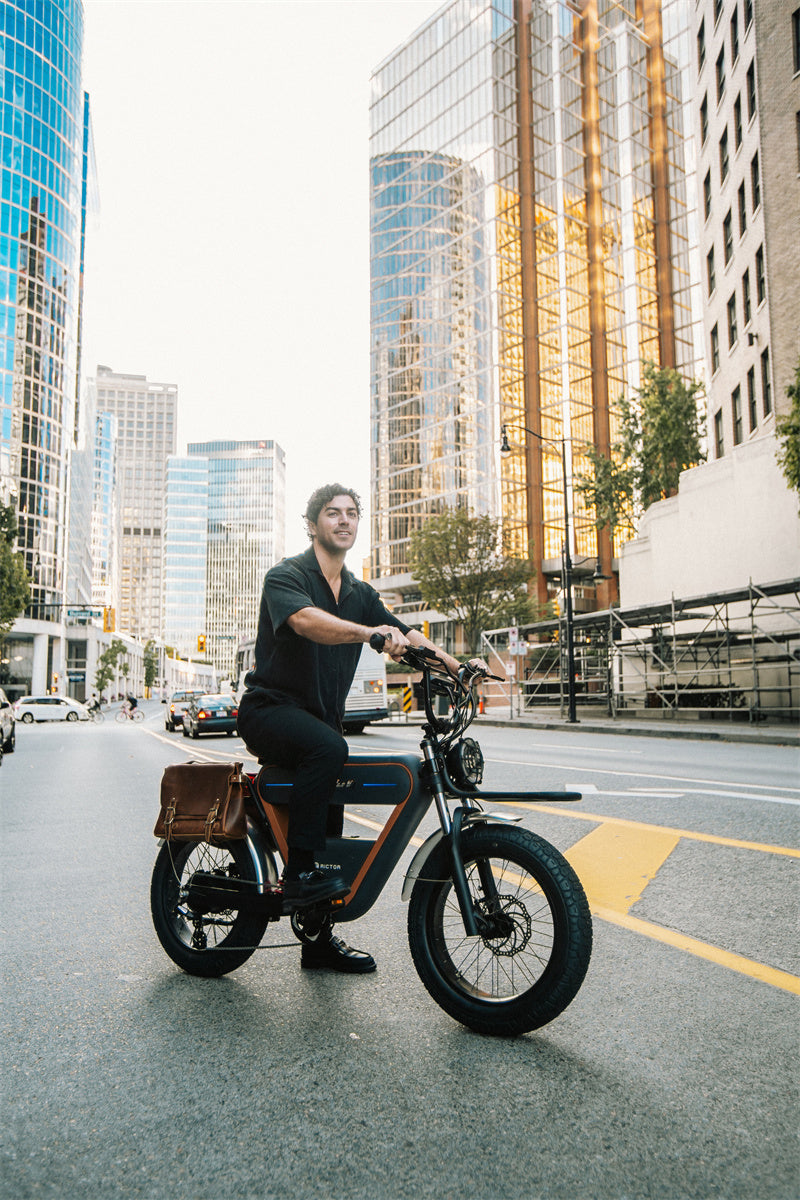
Electric Bike Vs Regular Bike: Which Is Better For You?
Electric bikes and regular bikes each have their strengths. Electric bikes give you extra speed with pedal assist, ideal for commuting, while regular bikes rely solely on your power for a full-body workout. Both are green options, but e-bikes tend to have higher upfront costs.
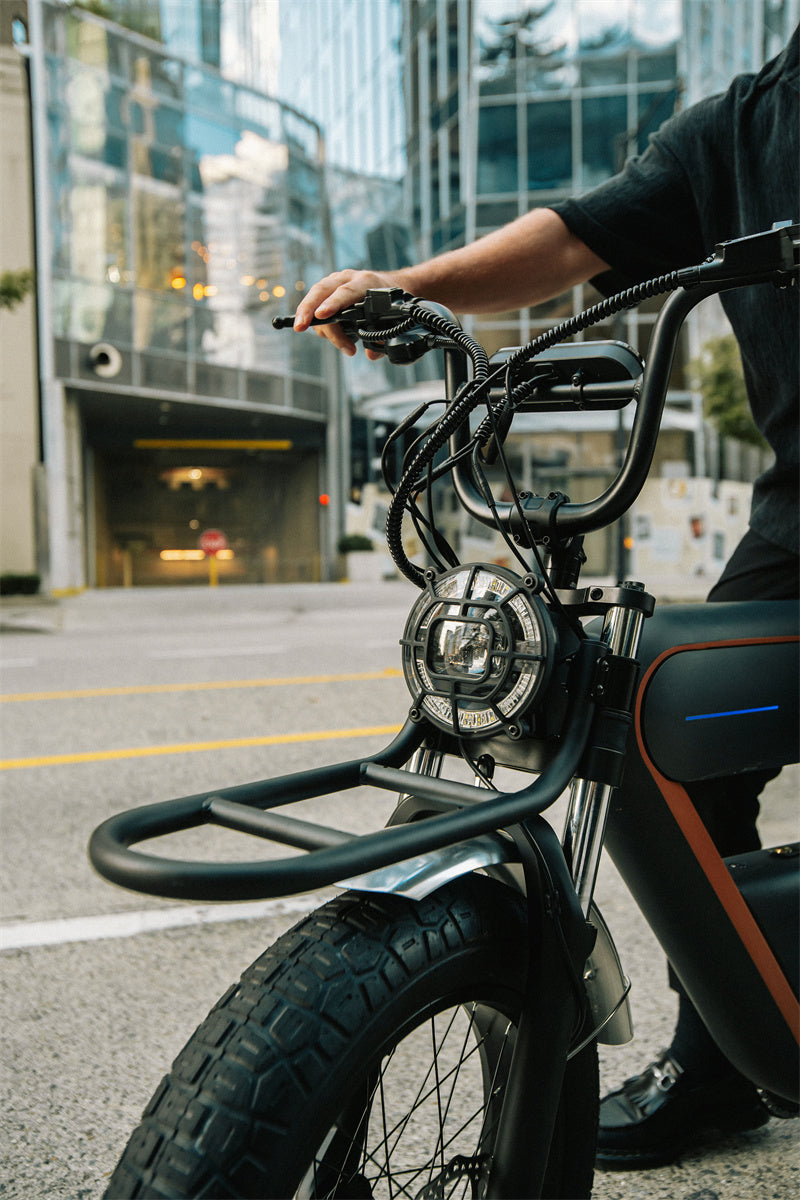
Can You Ride Electric Bikes in the Rain?
Riding an electric bike in the rain is possible, but extra care is needed. Protect the battery, display, and other electrical parts, and avoid riding through deep puddles. Clean and dry your bike after each ride to prevent damage, and slow down to maintain control on slick roads.
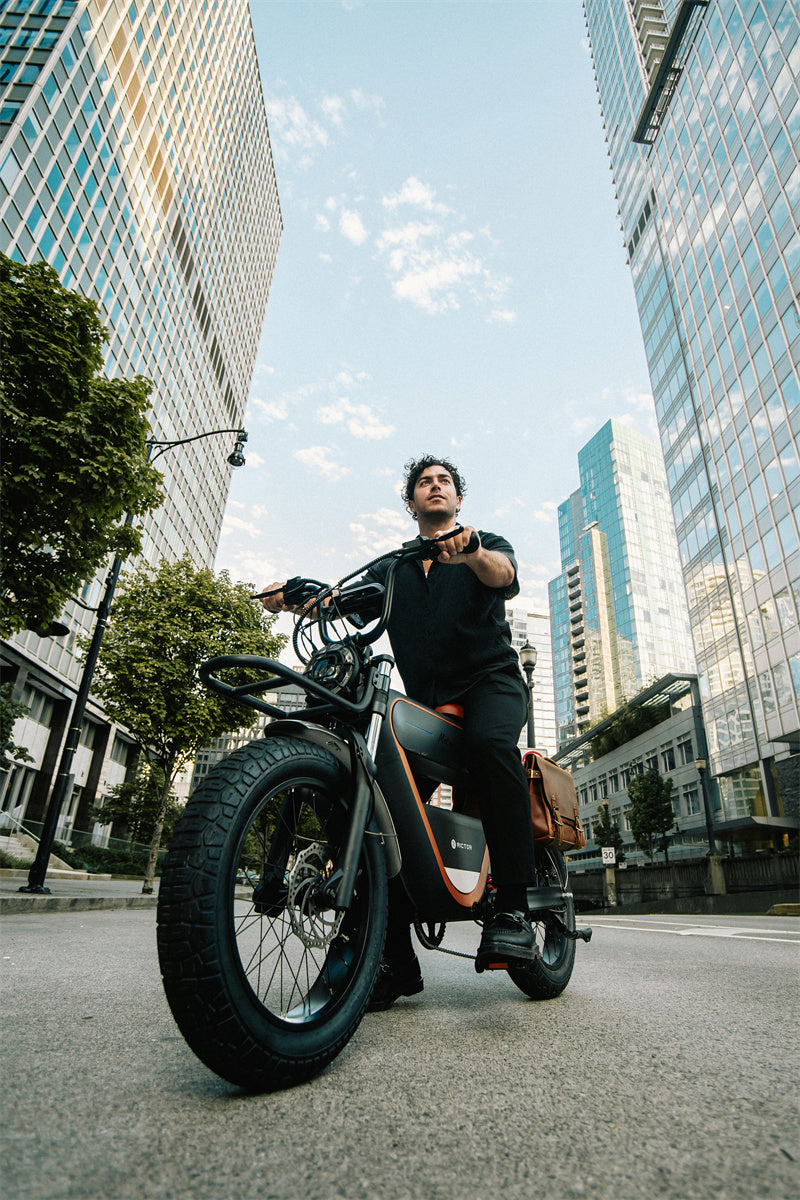
How Fast Does an Electric Bike Go?
Electric bikes vary in speed based on their class. Class 1 and Class 2 e-bikes are limited to 20 mph, while Class 3 e-bikes can reach up to 28 mph. Removing the speed limiter can increase speed, but this may make the e-bike illegal for road use in many areas.

How Long Do Electric Bike Batteries Last?
Electric bike battery life depends on factors like charging cycles, riding style, and temperature. Most lithium-ion batteries last between 500 to 1,000 charge cycles, providing several years of use. Proper maintenance, avoiding extreme temperatures, and regular cleaning can help extend battery lifespan.

What is Good Wattage for Electric Bike?
Curious about the ideal wattage for your e-bike? This in-depth article explains how motor wattage affects speed, range, and performance. From 250W to 750W motors, find out which is best for commuting, tackling hills, or carrying heavy loads on any terrain.
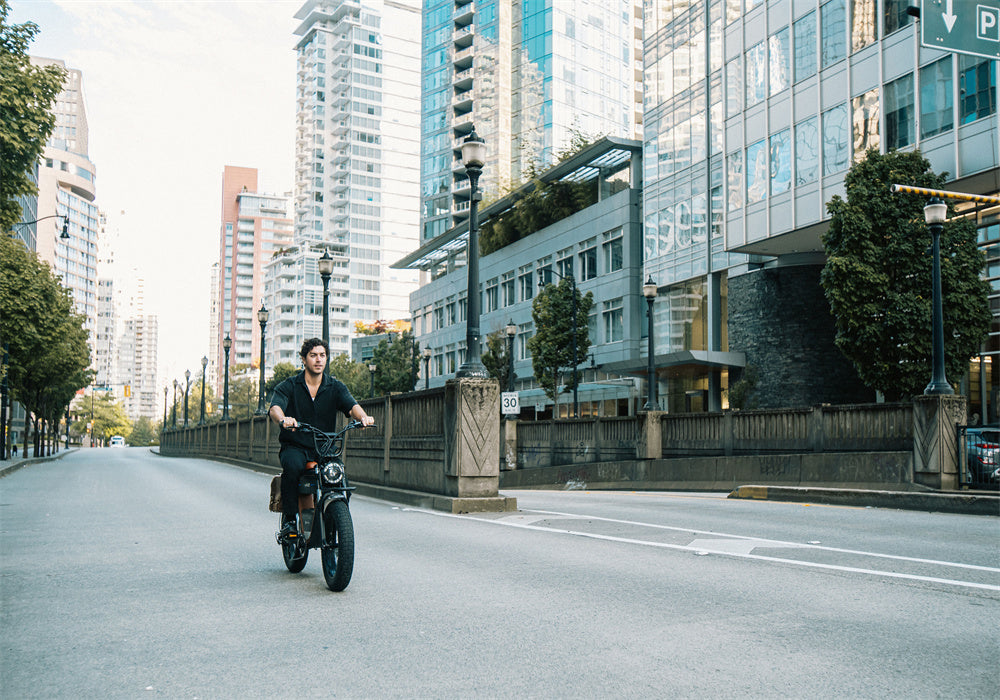
9 Tips Increase Range on Your Electric Bike for Free
Maximizing your electric bike’s range can be done for free with a few simple tips. Use lower pedal assist levels, maintain proper tire pressure, reduce weight, and plan efficient routes. These strategies help conserve battery power and extend your e-bike’s range without extra cost.

Do All Electric Bike Chargers Work with Any Ebike?
Electric bike chargers are not universally compatible due to differences in voltage, amperage, connector types, and smart charging features. Using the charger specified by your ebike manufacturer ensures optimal performance, safety, and prolongs your battery's lifespan.