
Can Electric Bikes Be Left in the Rain?
Electric bikes are water-resistant, not waterproof. While it’s generally safe for most electric bikes to get wet, prolonged exposure to heavy rain can impact critical components like the battery, motor, and electrical connections. Proper maintenance and protective measures are essential for lasting durability.

Best Places to Park Your Electric Bike Safely at Work
Secure, weather-protected parking for your electric bike at work can extend its lifespan and reduce theft risks. Ideal options include indoor bike rooms, parking garages, and covered bike racks. Opt for well-lit areas, use strong locks, and remove accessories for added protection.

Can You Commute to Walmart on an Electric Bike?
Commuting to work on an electric bike is one of the most comfortable ways to get around. You can skip the traffic jams and enjoy a smoother ride to your...
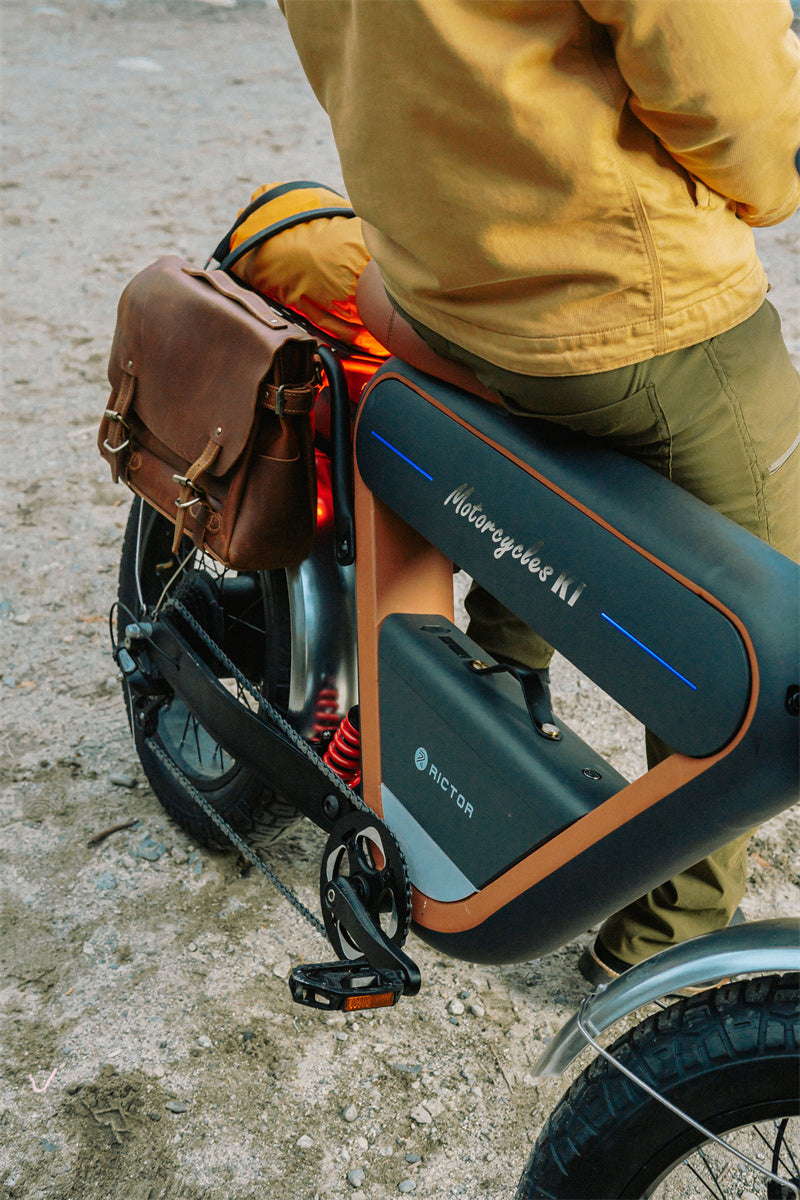
The Truth About Pedaling Fat Tire E-Bikes – Is It Harder?
With their larger surface contact, fat tire bikes create more resistance, making them harder to pedal. This added friction means that pedaling a fat tire bike without motor assist is more challenging than pedaling a standard bike without fat tires.
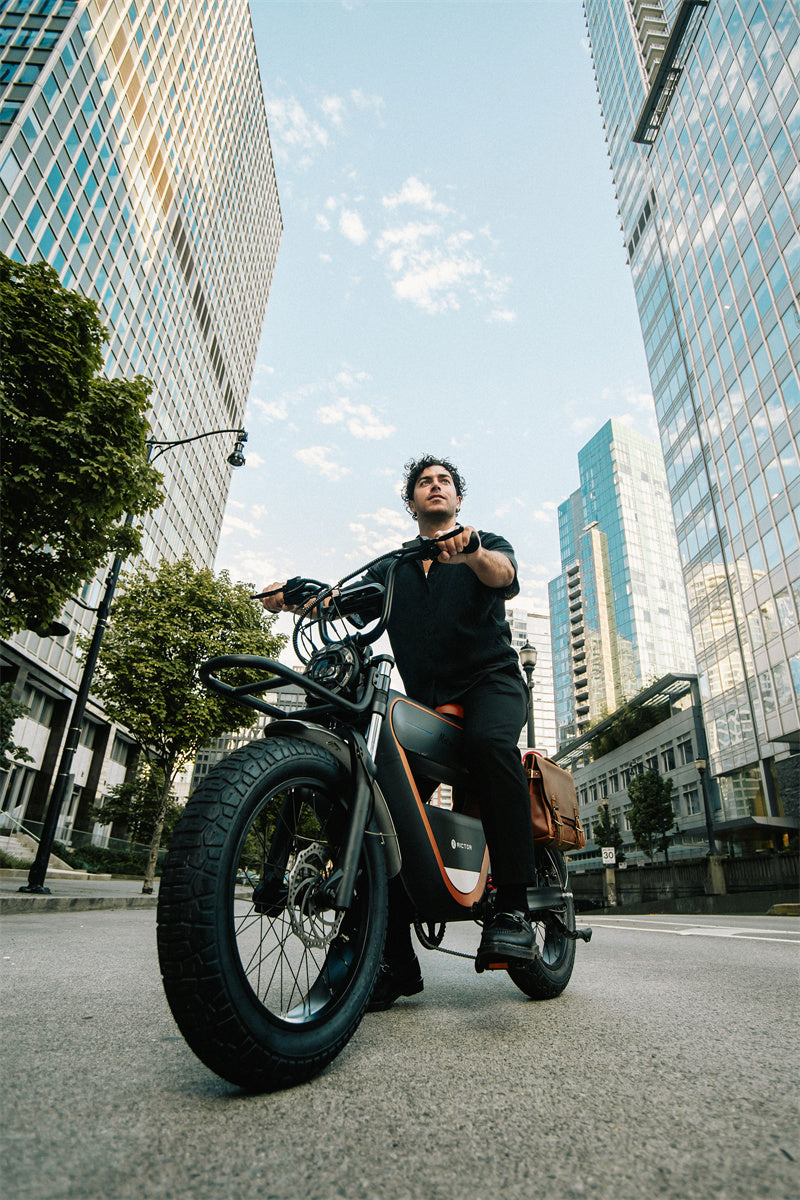
Is It Worth To Buy Like A $400 Or $500 Electric Bike
An electric bike for only $500 might sound like a bargain, but e-bikes under $500 often come with trade-offs—think low power, rough rides, and cheap batteries that could overheat. While tempting, a budget electric bike may end up costing more in repairs and replacements than a higher-quality model.

Electric Bike Laws and Regulations in Illinois for Safe Riding
Illinois electric bike laws allow Class 1 and 2 e-bikes (assistance up to 20 mph) on most bike lanes and paths, while Class 3 e-bikes (assist up to 28 mph) may have restrictions. No license or insurance is needed, but riders under 16 can’t ride Class 3 bikes.

What Is A Good Electric Bike?Essential Tips for Your E-Bike Purchase
Looking to buy an E-Bike but feeling overwhelmed by options on Amazon, eBay, or major brands like Aventon and Giant? Our guide breaks down essential factors like motor power, battery capacity, and frame material, helping you find a reliable, well-suited E-Bike without getting lost in marketing hype.
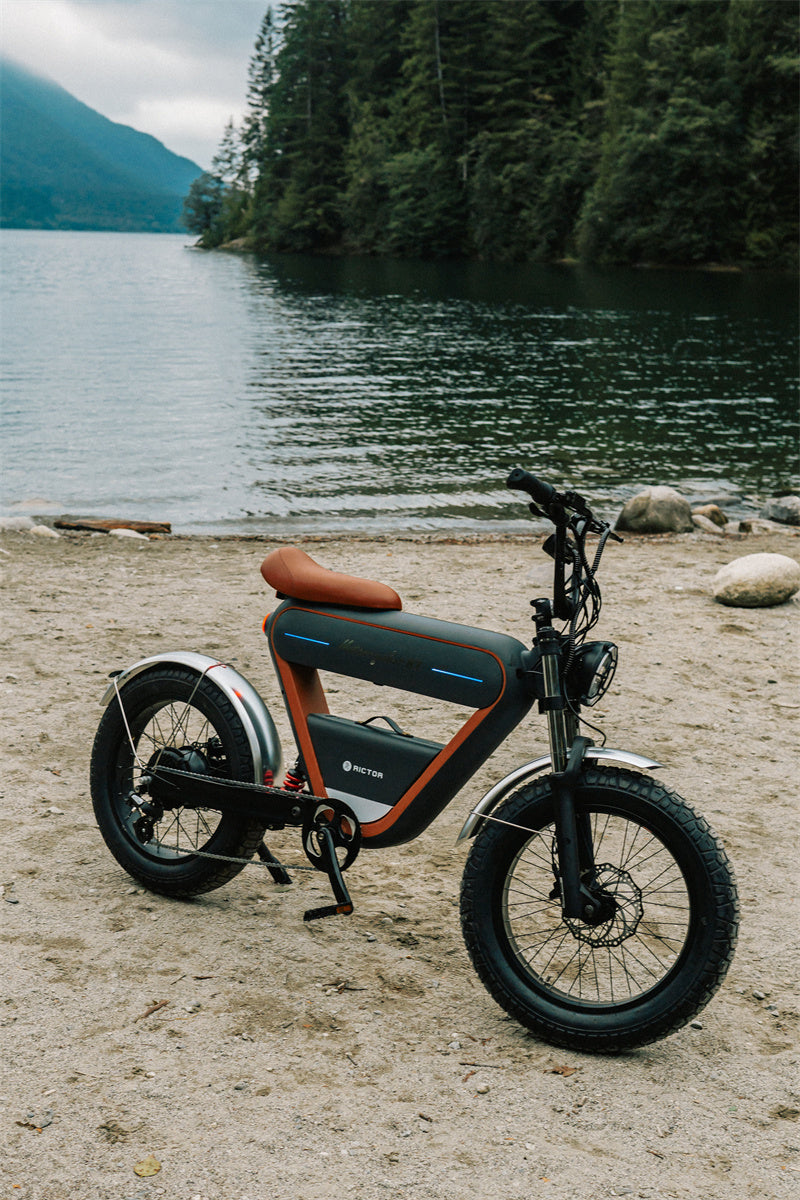
Did Switching to an E-Bike Ruin Regular Bikes for You?
Electrical bikes make commuting easier and take less effort, letting riders go faster with less strain. E-bikes are great for daily rides, but regular bikes still attract those who want a harder workout and the satisfaction of riding without assistance.
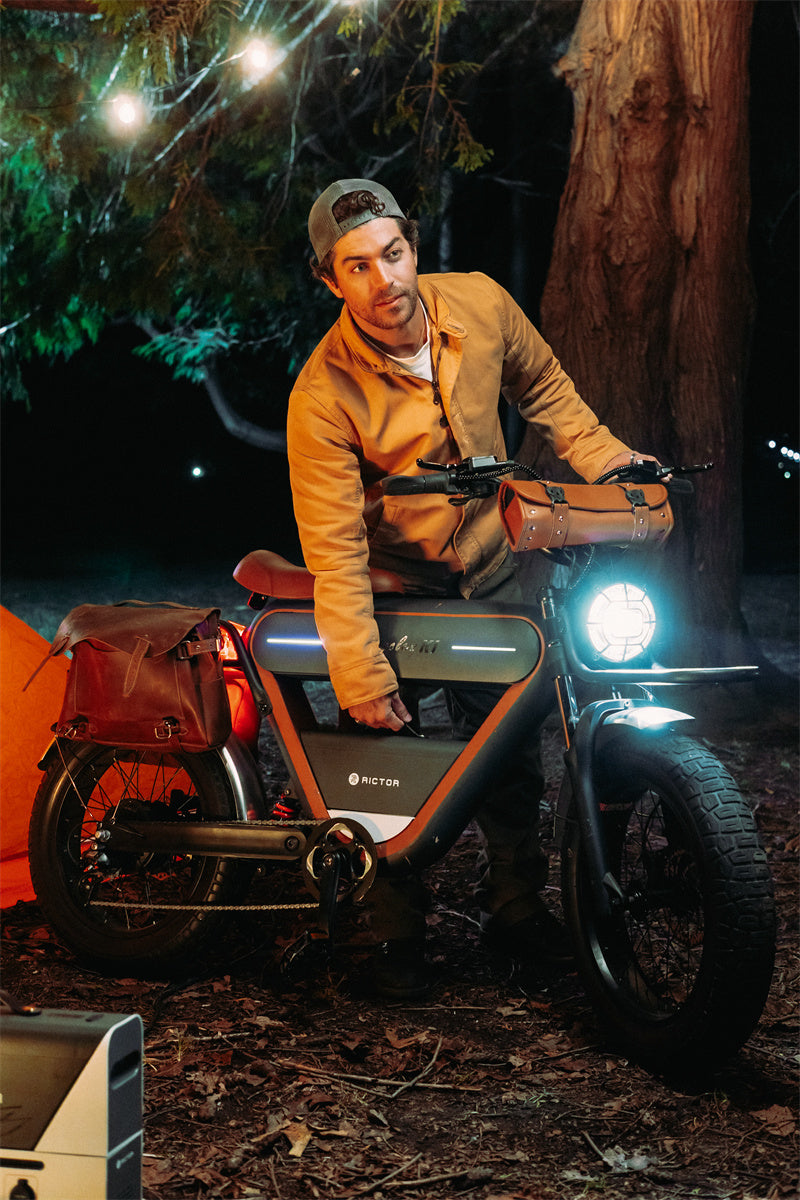
What is a Class 3 Electric Bike and How Does It Differ?
Class 3 e-bikes are the fastest type of electric bike in the U.S., with speeds up to 28 mph. They assist you while pedaling and sometimes have a throttle. Ideal for commuting, long rides, or getting places quickly, they require helmets and can only be used on specific routes.

Do You Need a License to Drive an Electric Bike?
In the U.S., whether you need a license to ride an electric bike depends on its class. Class 1 and Class 2 e-bikes, limited to 20 mph, typically don’t require a license. Class 3 e-bikes, which reach speeds up to 28 mph, may require a license in certain states. Check local regulations.

How Long Do Fat Tire Electric Bike Last?
Electric bike tires, especially fat tires, can last 1,000 to 3,000 miles based on terrain and care. Back tires wear quicker because of extra load from the motor, so monitor their condition. Proper inflation, regular inspections, and puncture-resistant models help maximize your e-bike tires' durability.
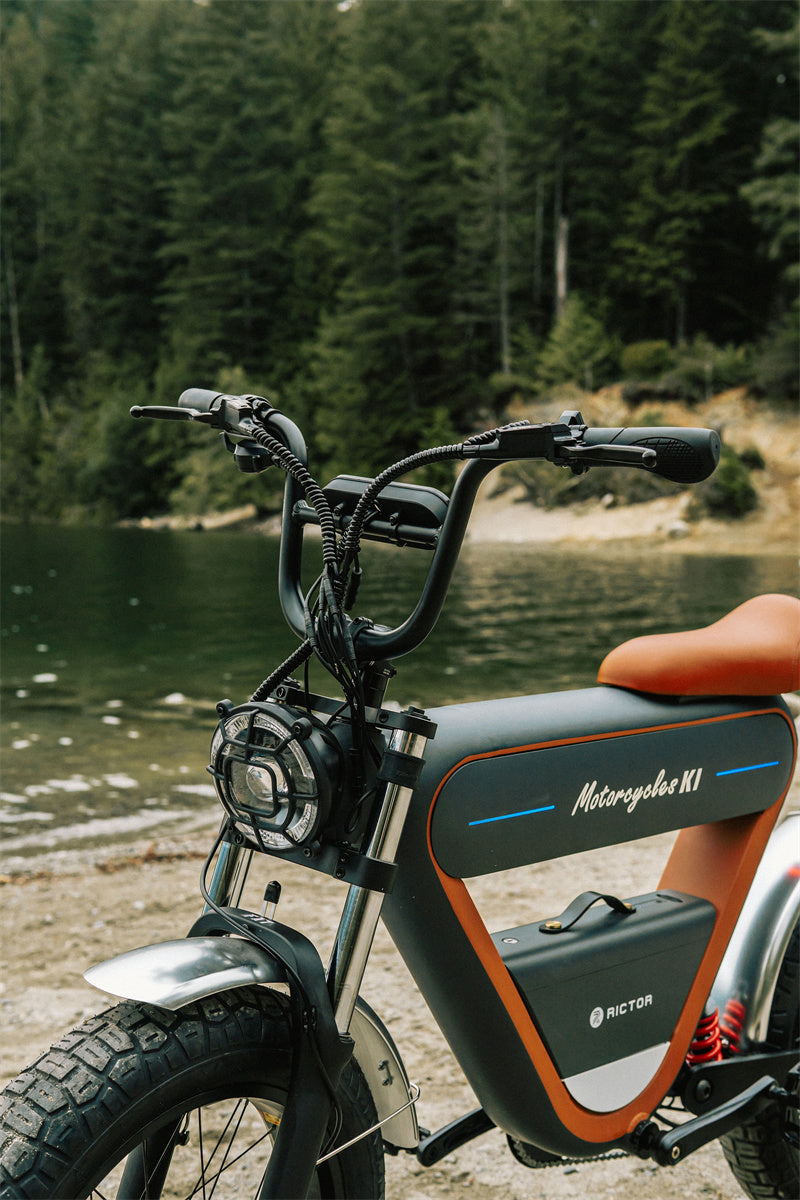
How Long Do E-Bikes Typically Last?
An electric bike can last 3 to 10 years, depending on how well it's maintained. Batteries last 500-1,000 cycles, motors up to 10 years, tires for 1,000-3,000 miles, drivetrains for 1,500-3,000 miles, and frames can endure over a decade if properly looked after.