
Ebike Beginner Guide | Class 1, Class 2, Class 3 Ebike
Class 1 ebikes provide pedal-assist up to 20 mph. Class 2 bikes offer both pedal-assist and throttle for a more relaxed ride. Class 3 bikes are pedal-assist only, with speeds up to 28 mph.

Are Electric Bikes Street Legal? Everything You Need to Know
E-bikes are generally considered street legal in most areas, including California, where they have the same rights and restrictions as traditional bicycles. Riders can use roadways and bike lanes but must follow local speed and safety regulations outlined in the California Vehicle Code (CVC).
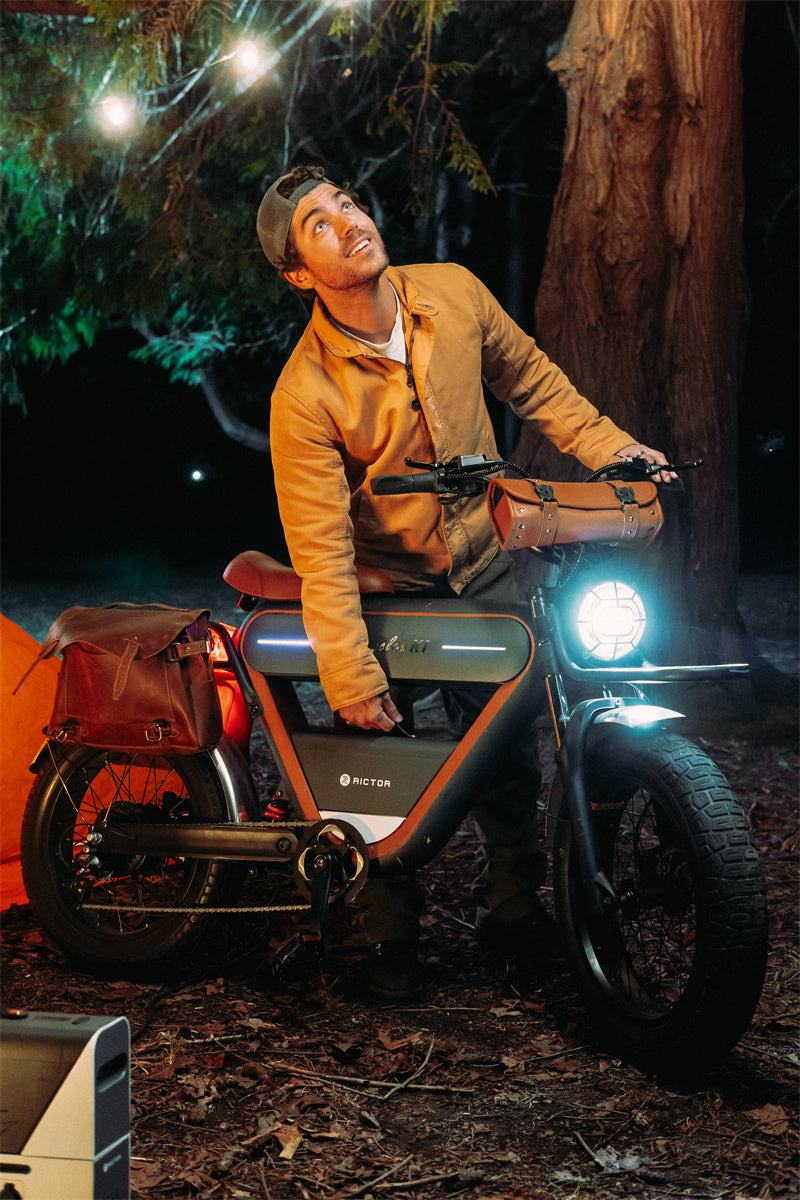
Choosing the Best Electric Bike with Removable Battery
The best electric bike with a removable battery combines convenience and performance. A detachable battery allows for easy charging, extended range with spares, and portability. Perfect for commutes or adventures, it balances weight, range, and fast charging for an optimal ride.
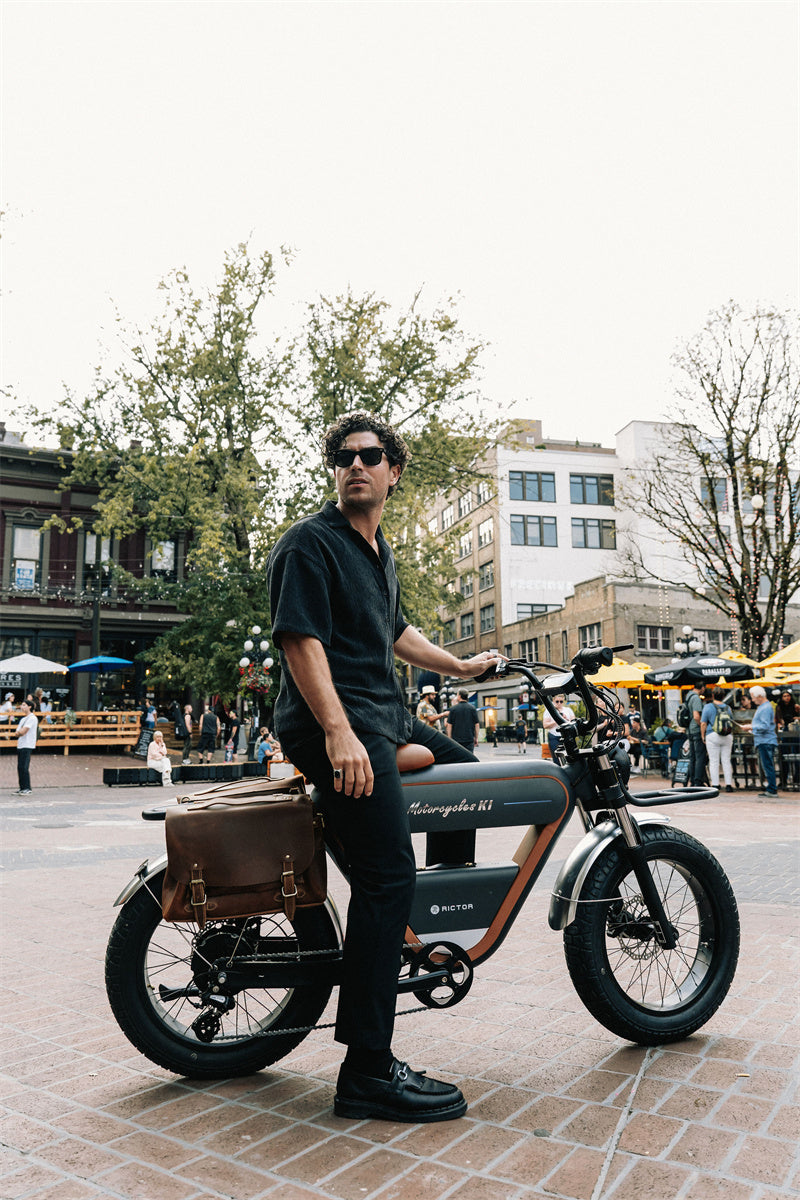
Electric Bikes for Tall People: Finding the Perfect Fit
The RICTOR K1 is the best electric bike for tall people, addressing common challenges like insufficient seat height, cramped frame geometry, and low handlebars. With its thoughtful design, it ensures a comfortable and stable riding experience for taller individuals on any terrain.

What's a Good Bike for a 5 Mile Commute with Hills?
For a 5-mile commute with hills, the best bike offers reliable performance and comfort. Hybrid bikes and electric bikes are ideal, with features like adjustable suspension, powerful motors, and all-terrain tires. These make climbing easier and ensure a smooth ride across various road conditions.

How Accurate Are Weight Capacity Limits for Electric Bikes?
Weight capacity limits on electric bikes provide safety guidelines, typically ranging from 220 to 300 pounds, with higher-capacity models handling up to 400 pounds. Real-world factors like road conditions, load distribution, and maintenance affect performance. Choose a bike with a higher capacity and balance your load wisely.

How to Ride an Eelctric Bike for First Time
Electric bikes enhance cycling with motor assistance, making hills, long rides, and commutes easier. For first-time riders, adjust the seat, understand the controls, and start with a low assist setting. With the right preparation, riding an electric bike is a smooth, fun, and eco-friendly experience.
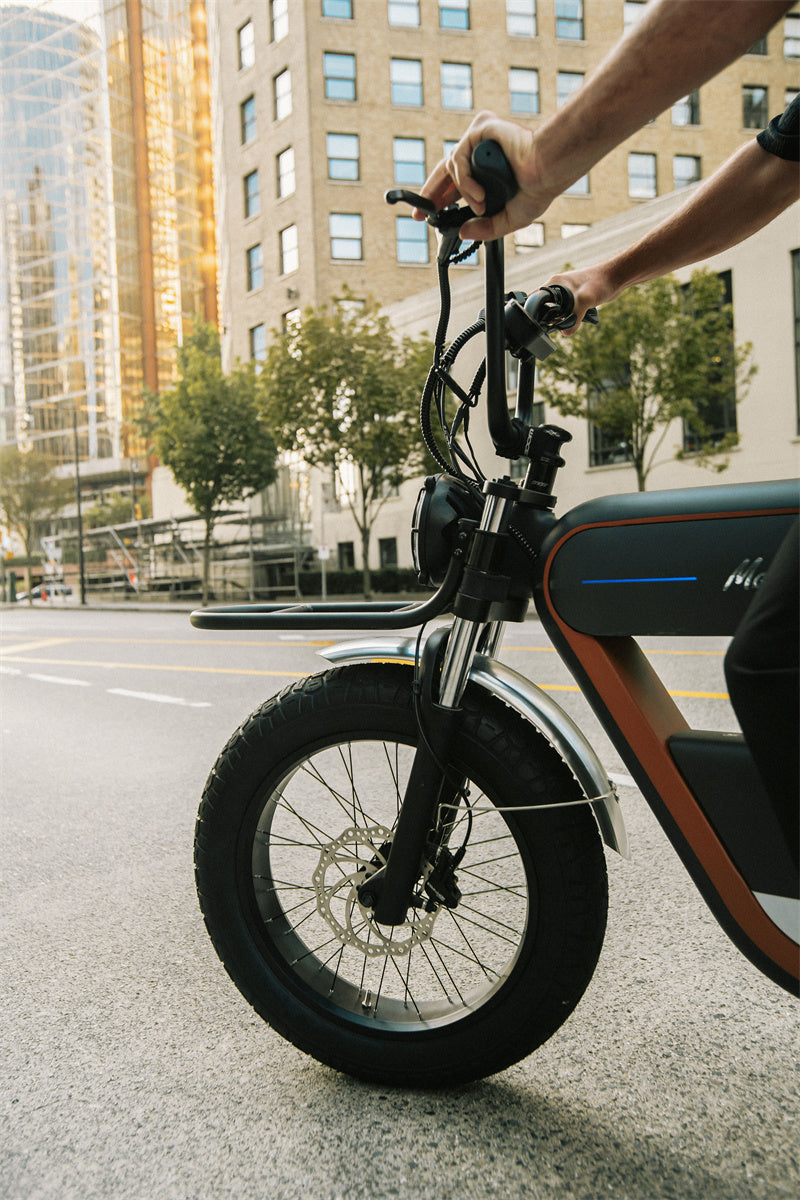
Electric Bike Battery Getting Cold: Does a Battery Cover Help?
Ebike batteries lose performance in cold weather due to slowed chemical reactions. A battery cover provides insulation, traps heat, and protects from snow or rain, helping to maintain range and longevity. Combined with proper storage, it’s a practical solution for winter rides.
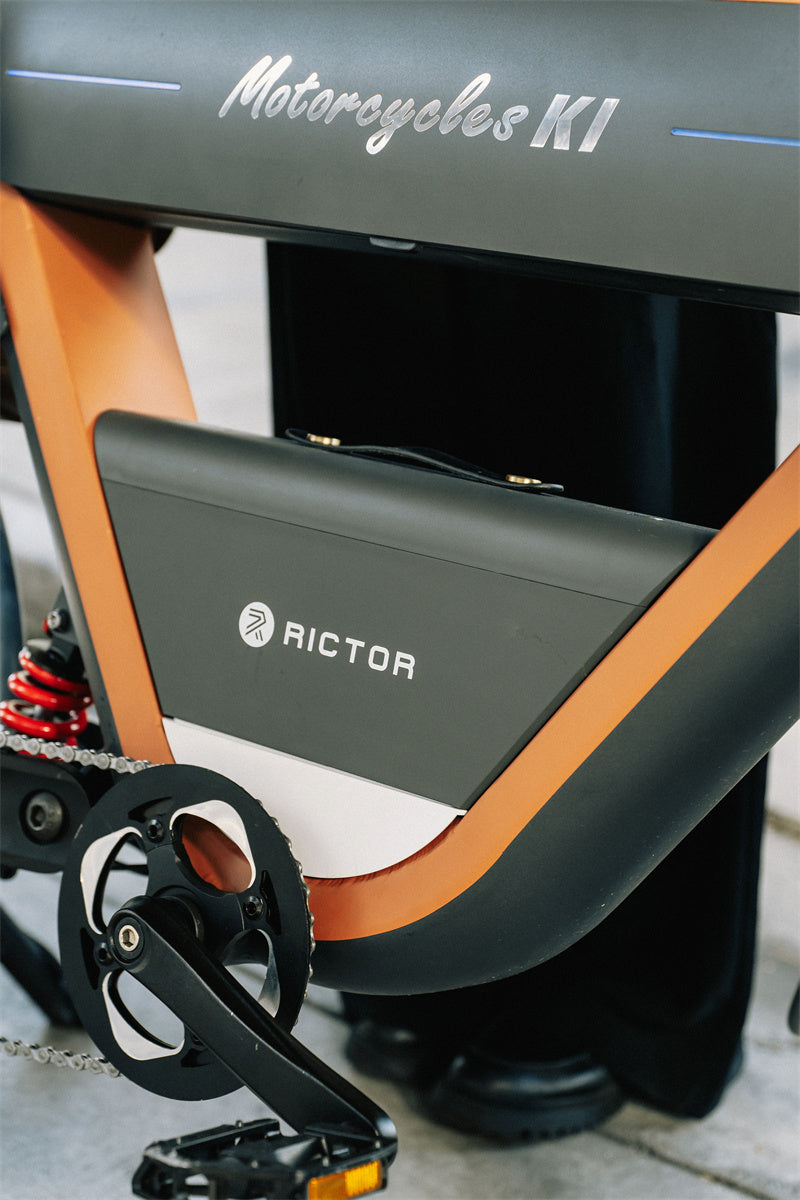
Do You Have to Charge Your Electric Bike Battery to 100%?
Electric bike battery care matters. Charging electric bike batteries to 85% instead of 100% helps maintain performance, minimizes capacity fade, and improves efficiency. For best results, charge when the level drops to 20–30% and use a cool, dry environment for storage.
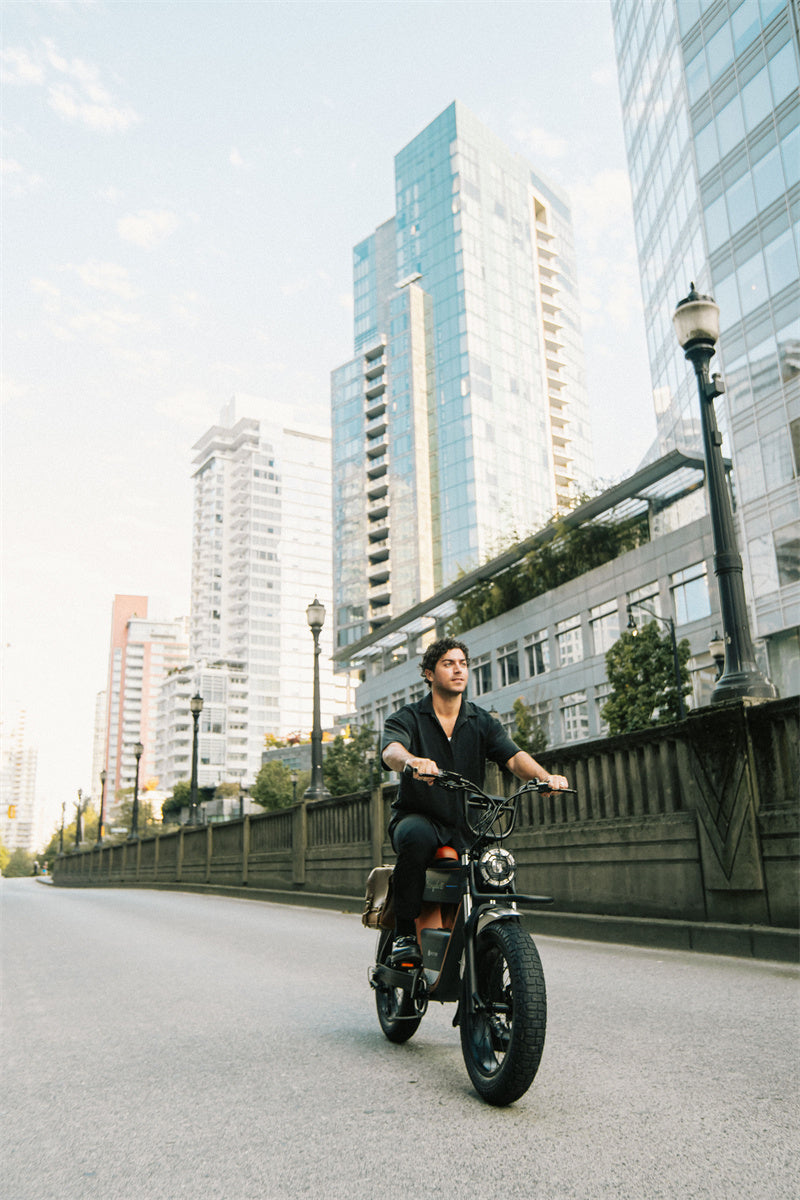
How to Charge Ebike Battery to 80 Percent
Electric bike charging 80% helps extend battery life and enhance safety. Use smart chargers, monitor voltage, or calculate charging time to achieve the ideal charge level. Follow tips to maintain battery health, prevent overheating, and reduce environmental impact.
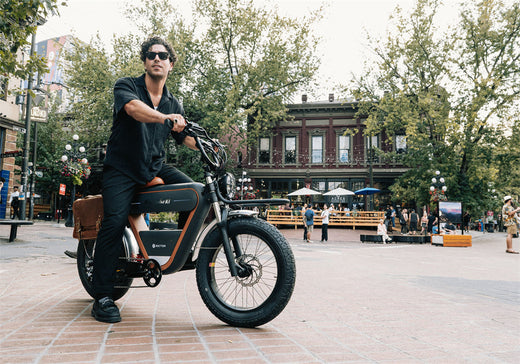
How To Wash Your Electric Bike
To clean your electric bike, follow these simple washing steps: Turn off the bike and remove the battery. Gently rinse with low-pressure water. Use soapy water and a sponge to clean the frame. Scrub the chain with a cleaner, rinse thoroughly, and dry completely. Lubricate the chain to finish.

Are Electric Bikes Safe for Seniors?
Electric bikes make cycling easier and safer for seniors, combining pedal assist with stable frames and user-friendly designs. Models like the RICTOR K1 offer added benefits, such as dual batteries, puncture-resistant tires, and smart tracking, making it ideal for active, worry-free rides.