
Electric Bikes Cost | What Should You Know
Electric bikes cost vary widely, with entry-level models priced around $500 to $1,200, mid-range bikes costing $1,200 to $2,500, and high-end bikes surpassing $2,500, depending on performance and features.

What Determines the Speed of an Electric Bike?
Ebike speed generally ranges from 20 to 30 mph, with variations depending on the motor, battery, and other factors. Key elements affecting Ebike speed include motor power, battery voltage, terrain, and wind resistance, all of which impact performance and acceleration.
Best Bike Apps for Every Cyclist
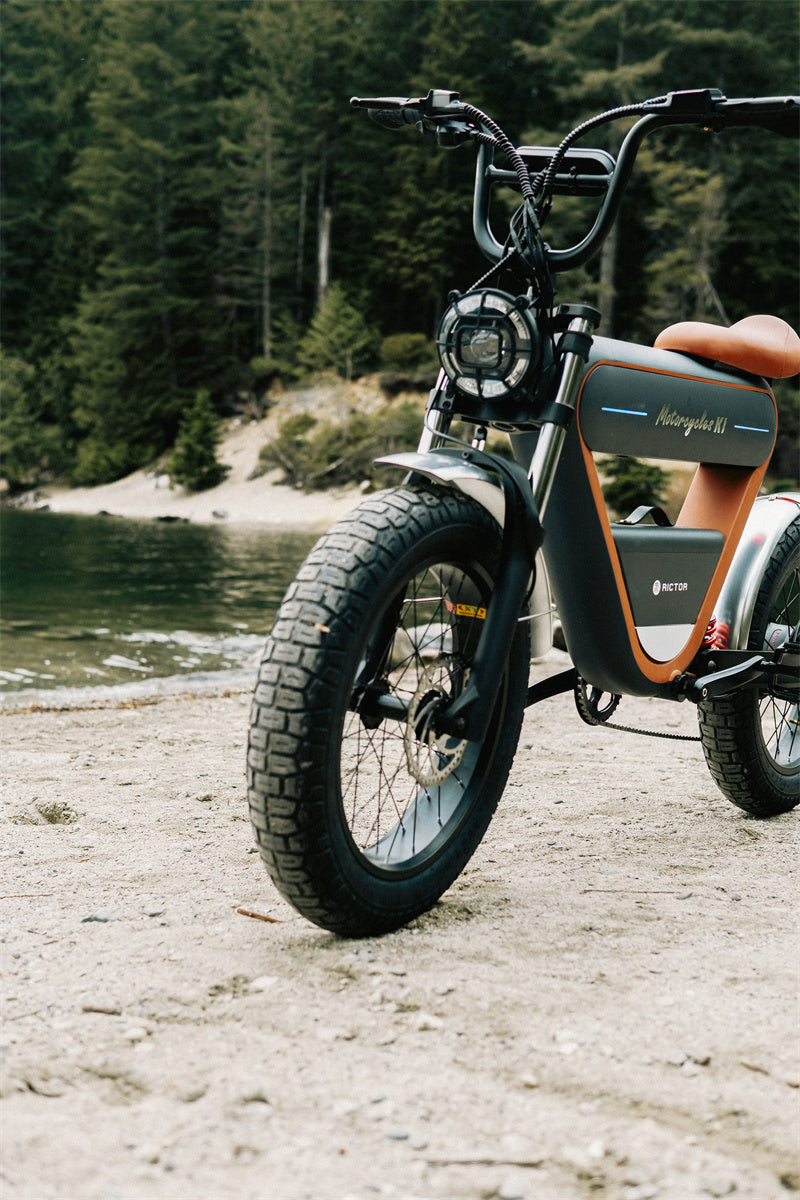
Explore the best biking apps for tracking your rides, discovering new routes, and improving performance. Whether you're on a regular bike or an electric bike, these apps are perfect for cyclists of all levels, helping you ride smarter and achieve your cycling goals.

Pro and Con of Fat Tire Electric Bikes
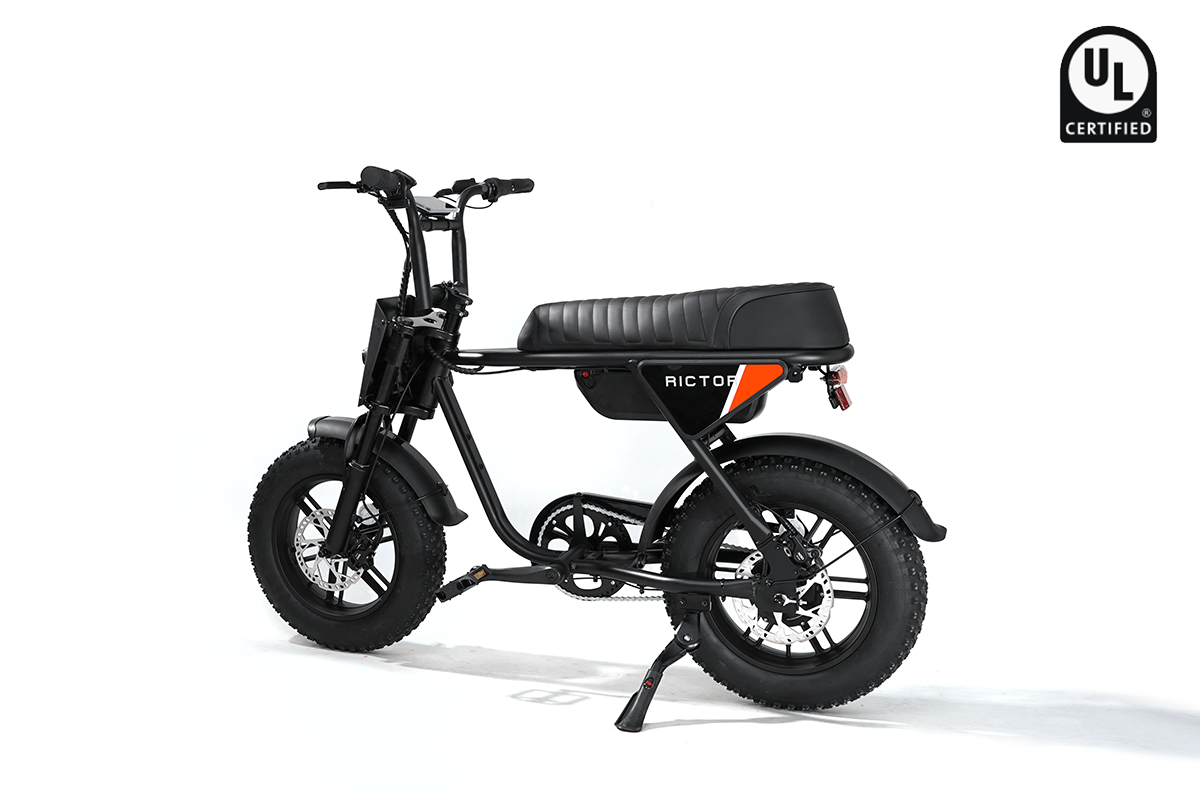
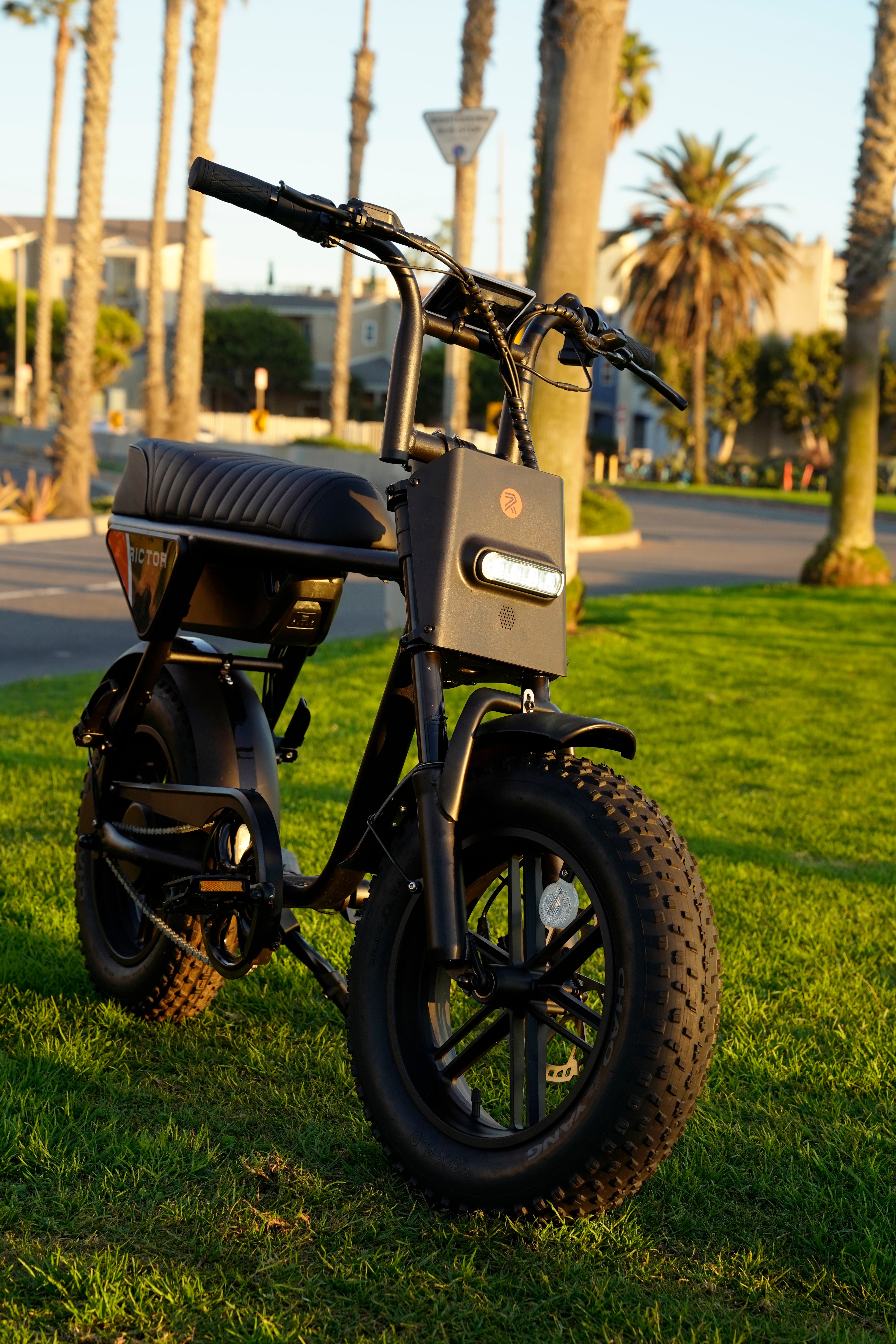
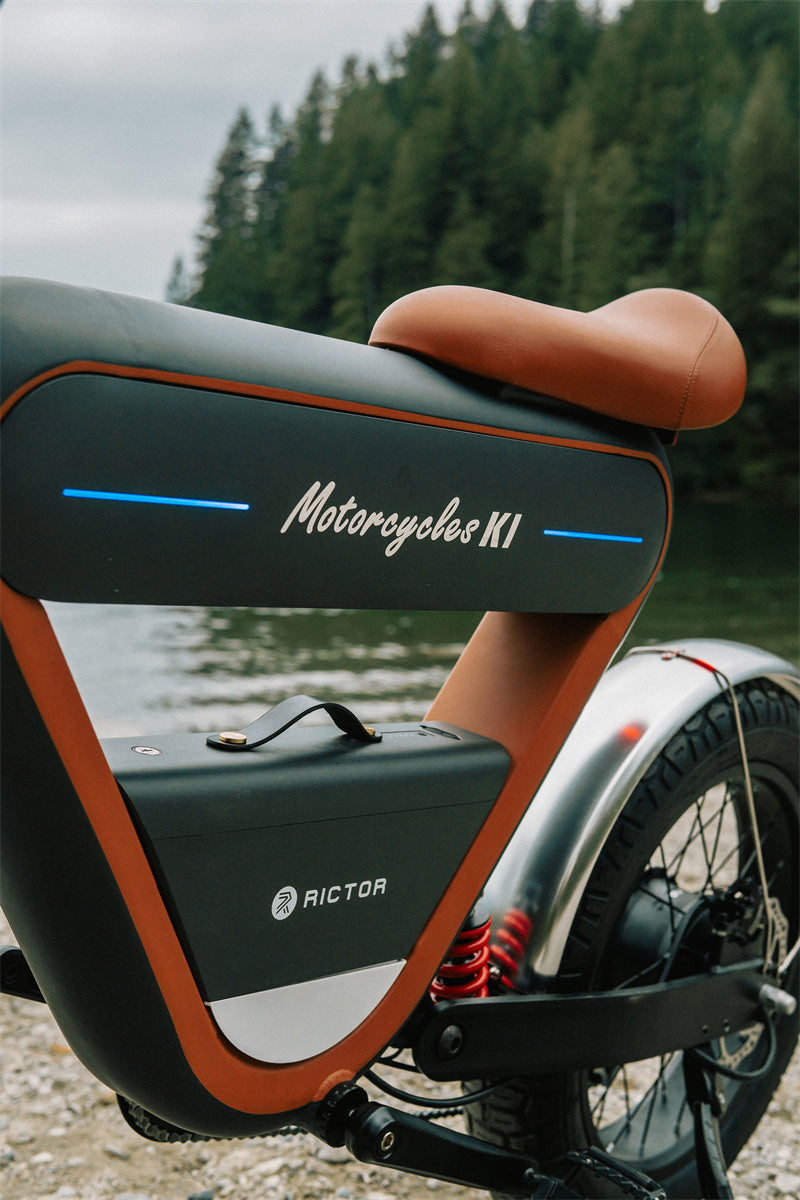
Fat tire electric bikes provide great stability and comfort on various terrains, though their heavier weight can make them less maneuverable. For a top choice, the Rictor K1 offers a powerful 750W motor and all-terrain capabilities.

How Fast Do Electric Bikes Really Go? | A Deep Analysis
Generally, e-bikes can reach speeds between 20 and 28 mph, with some models hitting up to 35 mph. Motor power, battery life, rider weight, and terrain are key factors that affect how fast an electric bike can go.

Is an Electric Bike Actually Better for Fitness?
E-bikes offer a unique advantage for fitness by allowing riders to adjust the level of motor assistance. This enables longer, lower-impact workouts, improving cardiovascular health, muscle endurance, and joint mobility, making cycling more accessible for people of all fitness levels.
Fat Tires vs. Regular Tires: Is There a Big Difference?
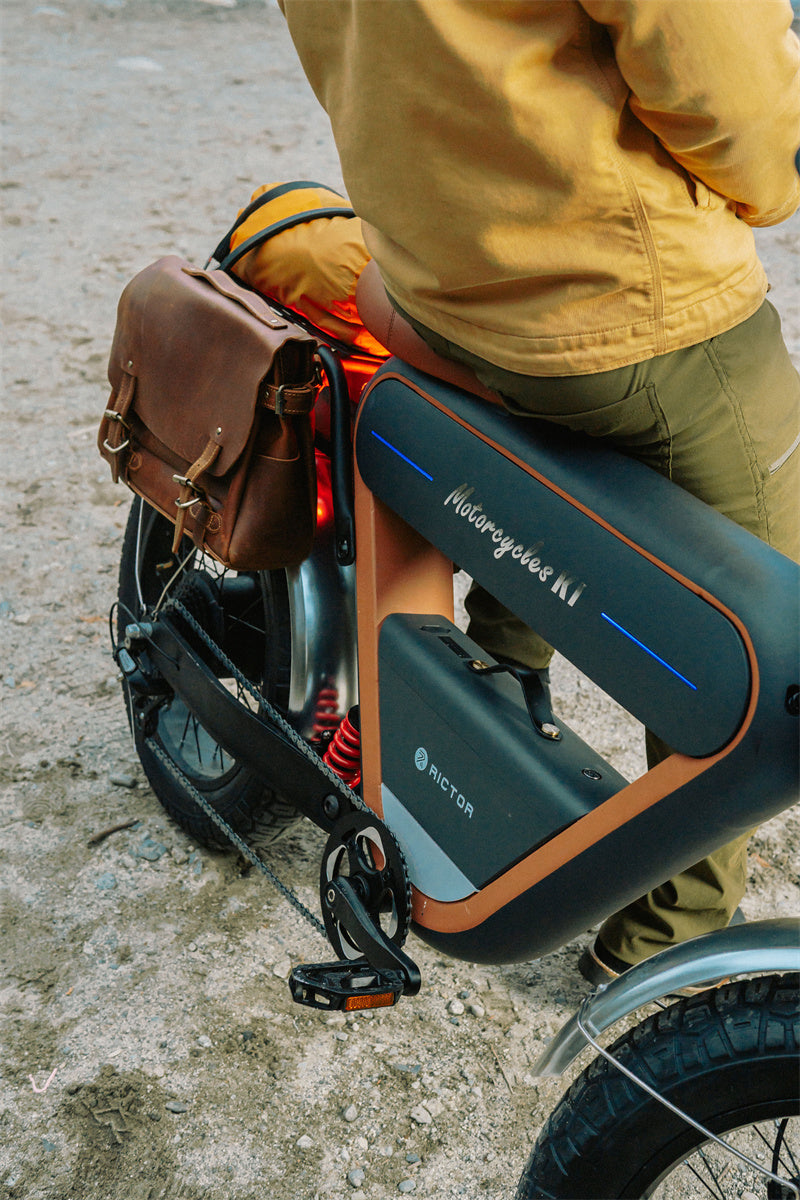
Fat tire electric bikes provide enhanced comfort and grip on off-road terrain, making them ideal for adventure riding, but they tend to be slower and less efficient on flat surfaces. Regular eBikes are faster and more efficient on smooth roads but offer less stability off-road.
The Best Commuter E-Bike For Your Daily Commuting
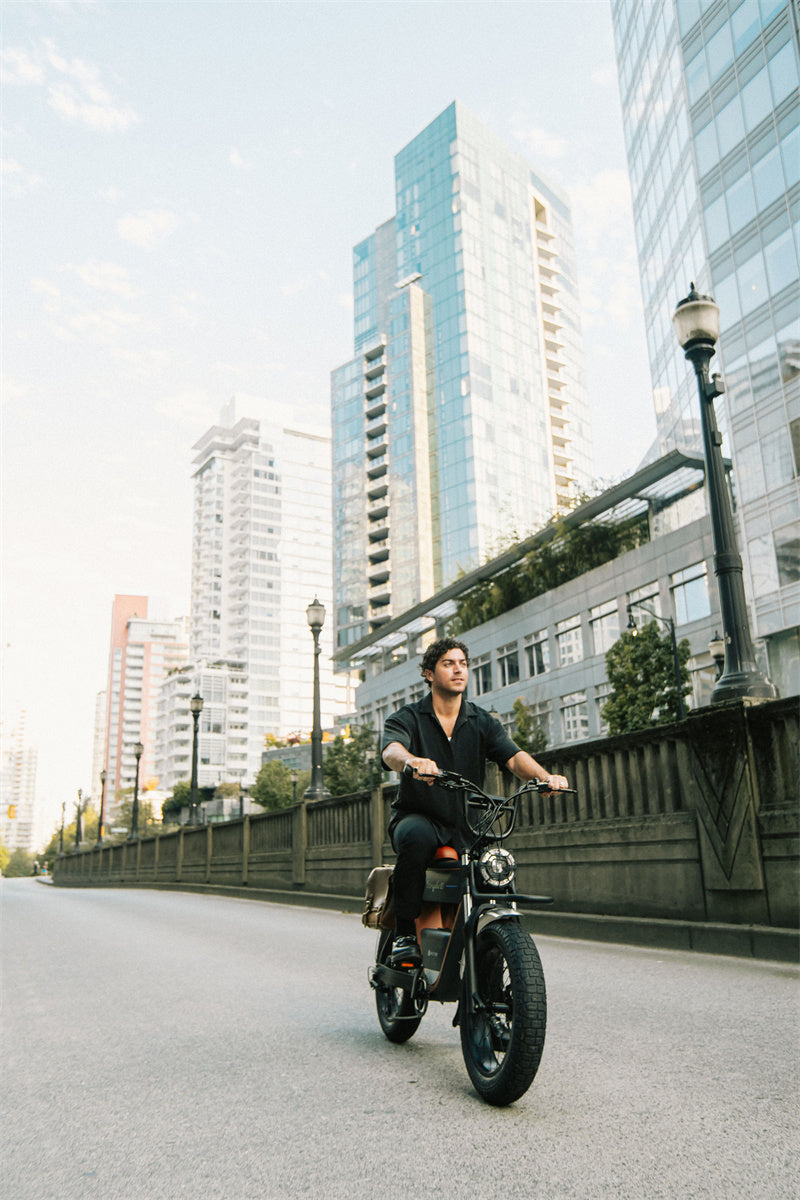
The Rictor K1 is an ideal commuter electric bike, featuring a 750W motor, 70+ miles of range, and smooth handling with wide 20" tires. With durable hydraulic brakes and smart features like Bluetooth unlocking, it’s the perfect choice for reliable, everyday urban commuting

Is IP54 enough for an Electric Bike?
For electric bikes, an IP54 rating might not cut it in extreme weather. Higher ratings like IP65, IP67, and IP68 provide stronger protection, ensuring better performance in rain, mud, and wet conditions.
Sign Says "NO MOTORIZED VEHICLES" (Is My e-Bike One?)
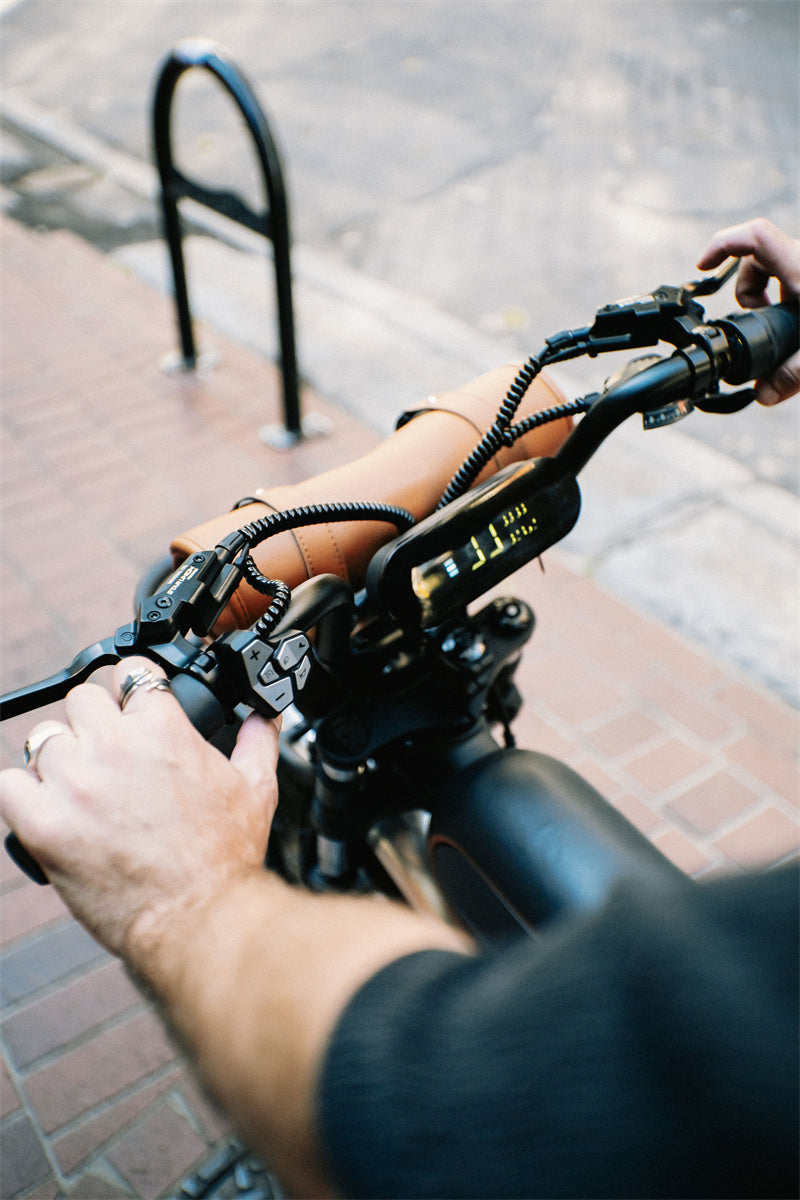
Class 3 e-bikes, with higher speeds or throttle control, are usually treated as motorized vehicles. In contrast, Class 1 and 2 e-bikes, which only use pedal-assist, are generally not considered motorized.
Why Ebike Battery Not Charging?
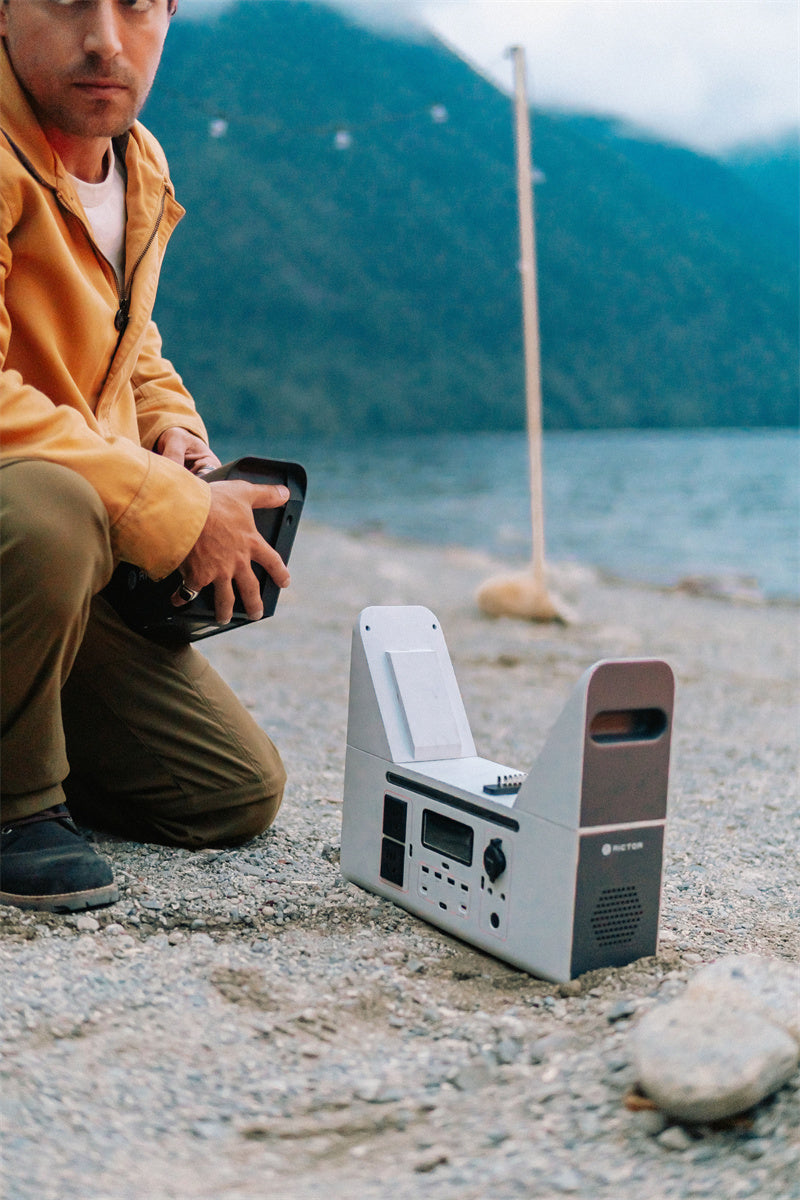
Common reasons your ebike battery may not charge include a damaged charger, dirty or loose connectors, extreme temperatures, old battery, BMS malfunction, or internal damage. Check each factor for issues.
Electric Bikes and Motorized Bikes: Key Differences Explained
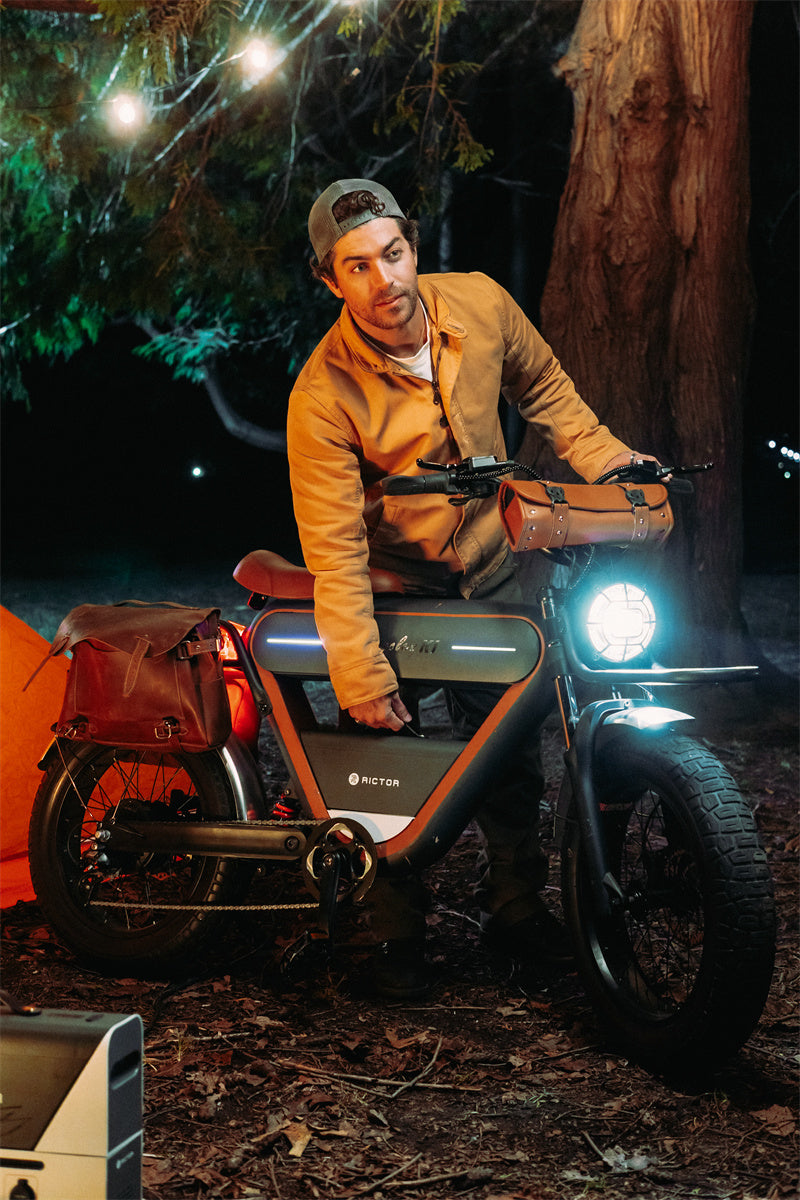
Electric bikes offer motor-assisted pedaling with a battery, making them great for commuting and eco-friendly travel. Motorized bikes, powered by gas engines, are faster but require more upkeep and produce emissions.