

How Fast Does a 750W Electric Bike Go
The 750W electric bike combines power and efficiency, offering a top speed of 28 mph with pedal assist and a range of up to 70 miles. Perfect for riders seeking a versatile bike that handles various terrains while providing a smooth, fast ride.

How Much Weight Capacity for an Electric Bike
The average weight capacity of an e-bike is between 250 to 300 lbs, though some models can handle up to 400 lbs. Weight capacity matters because it impacts bike performance, stability, and safety, ensuring a smooth, efficient ride even with additional gear or heavier riders.

How to Charge an E-Bike 36V Lithium Battery Without the Charger
To charge your EBike without a charger, you can use a universal power supply with adjustable voltage (36V) and current settings, a solar panel with a compatible charge controller, or even a DC power supply. Ensure the voltage and current match your battery's specifications to avoid damage.

E-Bike Explantion | What Is A Class 3 Electric Bike
A Class 3 ebike is an electric bike that provides pedal-assist up to 28 mph. Unlike Class 1 and Class 2 ebikes, which top out at 20 mph, Class 3 bikes offer faster speeds for quicker commutes and long-distance rides. Class 3 bikes don't have throttle control, relying solely on pedaling.
Why You Should Not Overcharge Your Electric Bike
Overcharging an electric bike can damage the battery, reduce its lifespan, and lead to overheating. To protect your bike, charge it to around 80-90% and unplug once fully charged. Avoid leaving it plugged in overnight to prevent unnecessary wear on the battery.

Does an Electric Bike Require a License?
Electric bikes are a fairly new transportation option in the U.S., and many states are still figuring out the rules for them. One common question is whether riders need a...

How Fast Can an Electric Bike Go? 36V vs. 48V vs. 52V
E-bike speed is determined by factors like motor power, battery voltage, and rider weight. A 36V e-bike usually reaches 15-20 mph, a 48V e-bike can go up to 20-28 mph, and a 52V e-bike typically tops out around 28-30 mph, depending on various conditions.

Electric Bike Weigh | How Heavy Is An Electric Bike
The average weight of an electric bike typically falls between 35 and 70 pounds (15.9 to 31.8 kg), influenced by its motor, battery, and frame. If weight matters depends on your riding style—lighter bikes offer better portability, while heavier bikes provide enhanced performance and durability.
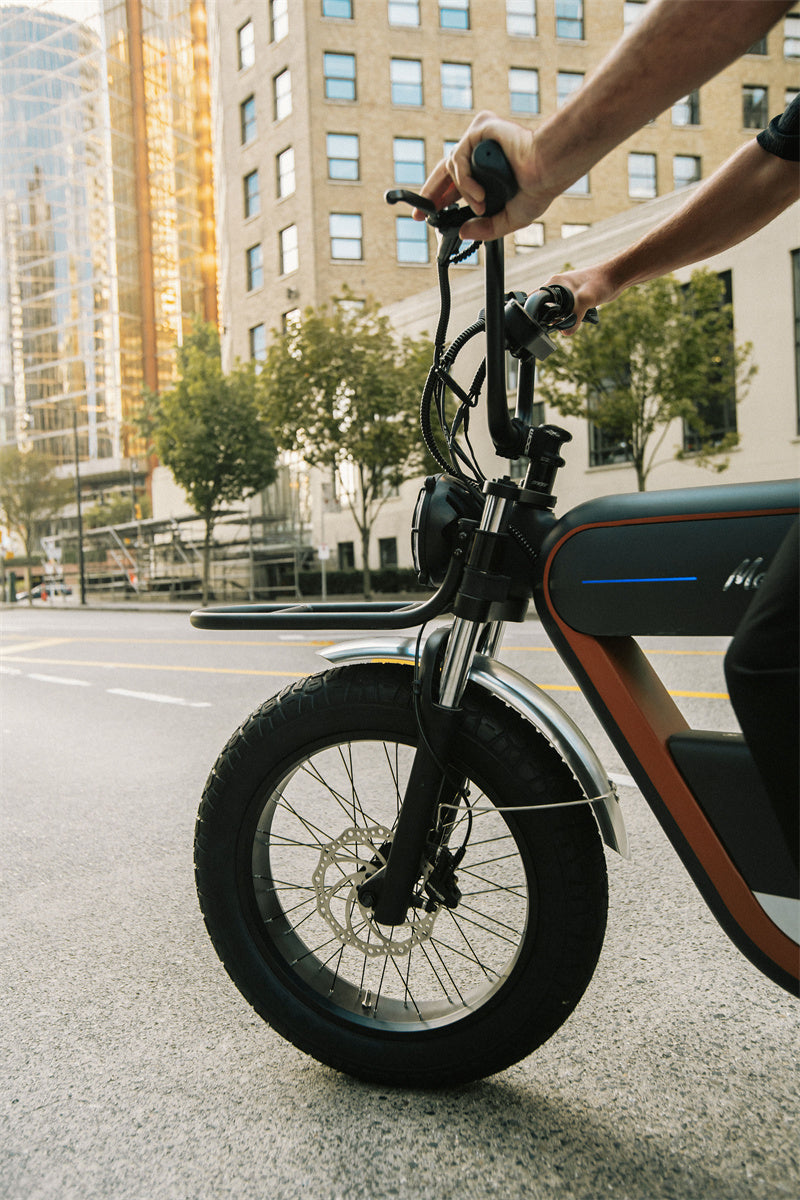
Electric Bike Speed | How Fast Can a 36V Electric Bike Go?
A 36V electric bike typically reaches a top speed of 15 to 20 miles per hour (24 to 32 km/h), depending on factors like motor power and terrain. This provides an ideal balance of electric bike speed for daily commuting and light recreational riding.
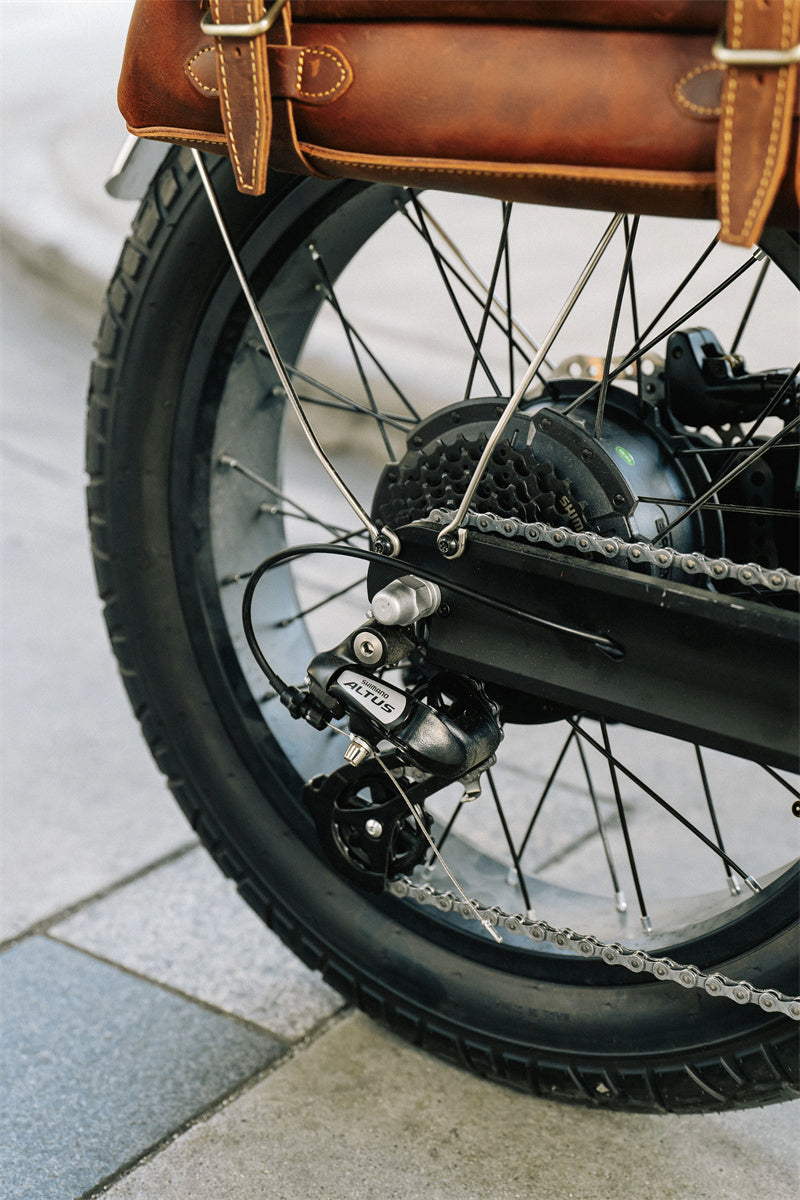
How to Make Your Electric Bike Go Faster
How to make your ebike faster? Increase motor wattage, choose a higher-voltage battery, and adjust your tire pressure for optimal performance. Learn key modifications to help you speed up your electric bike without sacrificing safety or control.
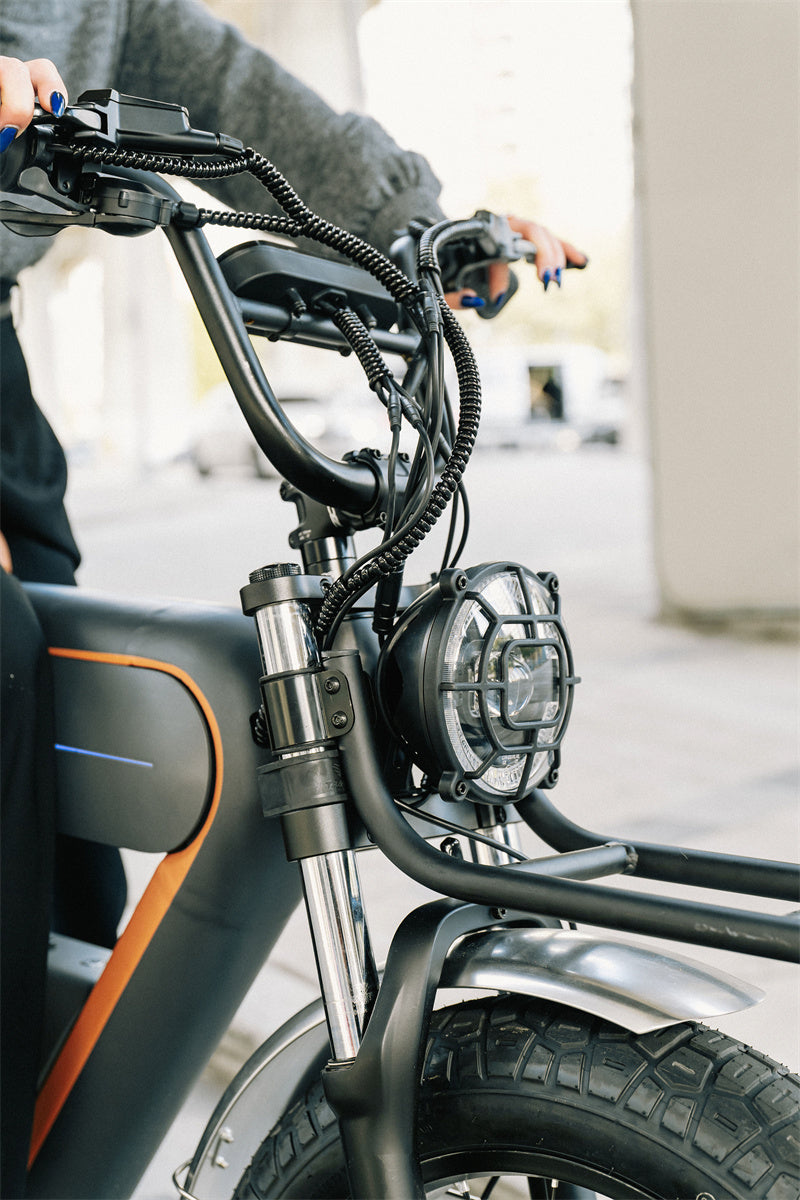
Torque Sensor vs Cadence Sensor On E-Bike: Which Is Better For You?
Torque sensor responds to pedal force, creating a more dynamic ride, but tends to be pricier. Cadence sensor delivers steady power regardless of pedal force, perfect for flat terrain, but lacks the intuitive feel of a torque sensor.

Electric Bicycle Class | Class 2 E-Bike Explained
A class 2 ebike is an electric bicycle with a throttle that allows motor activation without pedaling. It is restricted to a 20 mph speed, making it a convenient option for riders who want assistance while cycling without constantly pedaling.